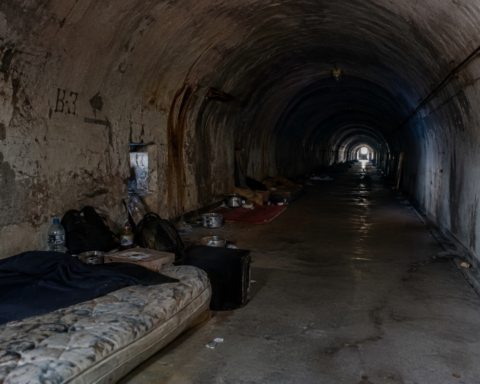

Spain is facing a severe housing market crisis that is hitting the younger generation particularly hard. New data paints a stark picture: for many young people, independent living is now effectively unaffordable, as rent prices in many regions are consuming almost their entire income.
Spain Expat Press Editorial Team
by Marlon Gallego Bosbach
The result is a growing social trend that is becoming increasingly evident: more and more young adults are remaining in the parental home well into their 30s.
Rent is consuming almost the entire salary
According to current figures, young people in Spain now have to spend almost their entire monthly income on a private rented flat. The average rent is around €1,176 per month, while the average income of young workers is approximately €1,190.
After paying rent, hardly any money is left for food, transport, energy, or other basic living costs. Under these conditions, independent living without additional financial support is barely possible.
Three quarters of young adults are still living at home
The social impact of this development is clearly visible. Around 75 per cent of 16- to 34-year-olds in Spain still live with their parents. This makes Spain one of the countries in Europe where young people leave the parental home the latest.
The average age of leaving home is now around 30, significantly above the European average.
Causes: rents are rising, while wages are lagging behind
The reasons for this situation are complex. In recent years, rental prices in many cities and coastal regions have risen sharply, while wages have barely increased at a comparable rate. The situation has become particularly acute in major cities such as Madrid and Barcelona, as well as in tourist regions.
In addition, structural issues are intensifying pressure on the housing market. These include a shortage of new construction, high demand for housing, and the growing conversion of apartments into holiday rentals for the tourism sector.
Young people caught between dependency and a lack of prospects
The financial burden has profound social consequences. Many young adults are unable to save or build up any financial reserves. Even in full-time employment, income is often not sufficient to cover the cost of renting a home.
As a result, not only is leaving the parental home delayed, but also other life decisions such as starting a family or career mobility. Experts warn of increasing economic dependency among the younger generation.
Housing crisis as a persistent political issue
The housing shortage has now become a central political issue. Cities and regions are already attempting to counteract it, including through stricter regulations on tourist rentals and holiday apartments.
At the same time, pressure is mounting on the government to create more affordable housing and regulate the rental market more strongly. However, so far, the measures have only had limited impact.
A generation without a real start
The current trend paints a clear picture: for many young people in Spain, the step into financial independence is no longer a natural stage of life, but an increasingly unattainable exception.
Instead of the traditional start to independent living, a generation is increasingly emerging that, despite working and earning an income, continues to live in the parental home – not by choice, but out of financial necessity.