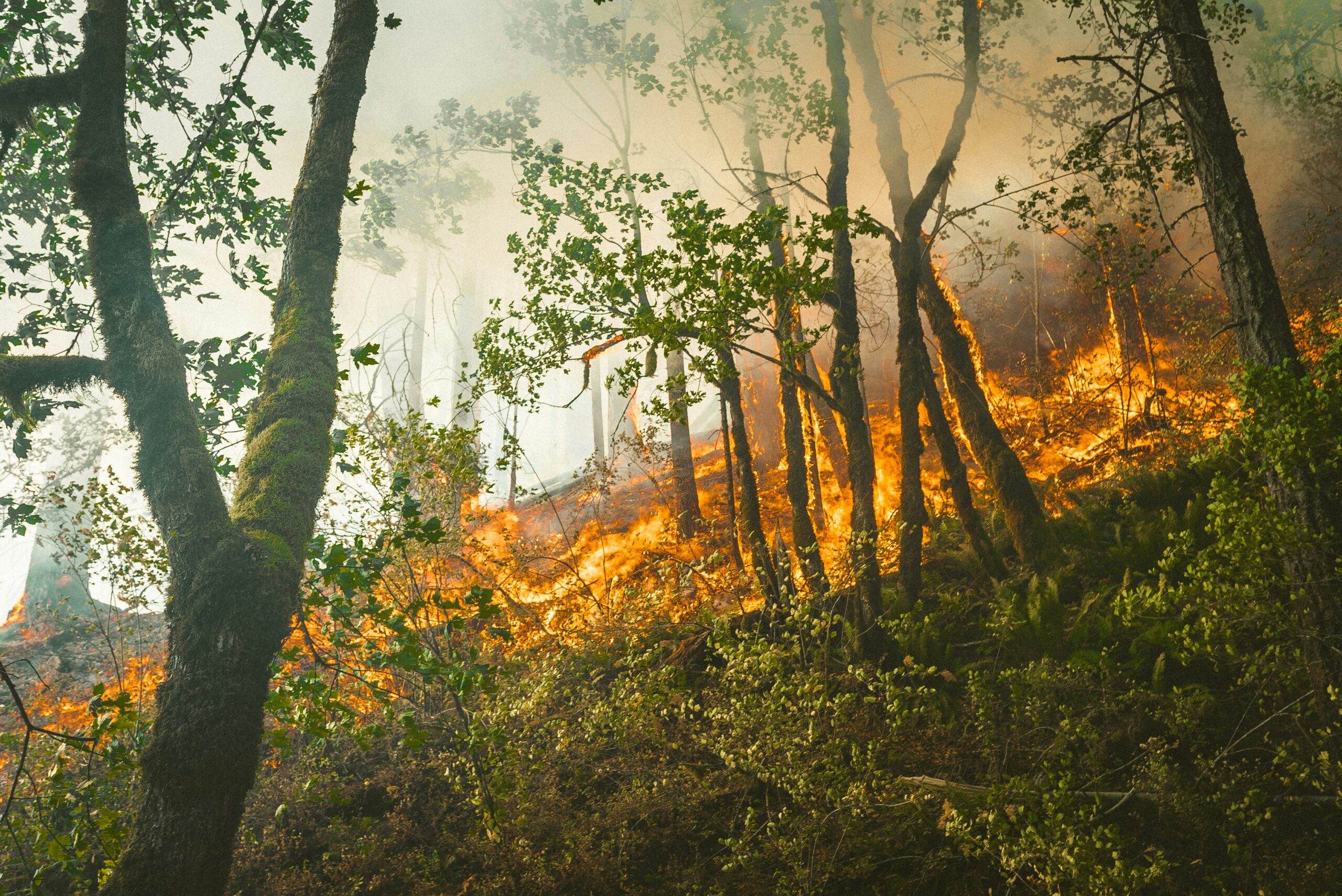
Andalusia has officially entered the most intense phase of the wildfire season – and is responding with a comprehensive “Wildfire Blitz” to prepare for a potentially devastating summer in 2026.
Spain Expat Press Editorial Team
by Marlon Gallego Bosbach
From 1 June to 15 October, the highest state of alert for wildfires is in force across the southern Spanish region. Authorities are warning of an exceptionally critical situation, driven by a combination of abundant vegetation following months of heavy rainfall and the expected heatwaves of the summer.
Perfect conditions for fires: a “green powder keg” after the rain
Following a comparatively wet winter and spring, unusually high levels of vegetation have developed across much of Andalusia. This additional plant growth is now rapidly drying out as temperatures rise, turning into highly flammable material that, in the event of a fire, acts as a natural accelerant.
Meteorologists and emergency services refer in this context to a classic “fuel load” effect, where the combination of vigorous plant growth followed by subsequent drought creates a particularly dangerous baseline situation. This is further compounded by the heatwaves typical of southern Spain, which in recent years have regularly reached extreme temperatures of up to 45 degrees Celsius or more, further drying out the vegetation.
“Plan Infoca” significantly reinforced
At the heart of the anti-fire strategy is once again the so-called Plan Infoca, the region’s central wildfire response programme. For the 2026 season, the system has been significantly expanded and substantially reinforced both in terms of personnel and equipment. A total of around 4,700 to nearly 5,000 personnel are now on standby, deployed across the region to carry out both prevention and firefighting operations. This is complemented by a fleet of more than 40 water-bombing aircraft and helicopters, which are particularly crucial in hard-to-reach mountainous and forested areas.
In addition, ground forces have been modernised and new units created, while cooperation with the military emergency unit UME has also been intensified, in order to enable a faster and more coordinated response in the event of an emergency.
Strict rules for the public and agriculture
In parallel with the reinforcement of emergency services, the authorities have introduced a series of strict regulations that will remain in force throughout the high-risk period. These include comprehensive bans on barbecues and open fires in forested and recreational areas, in order to reduce potential ignition sources as much as possible. Agricultural slash-and-burn practices are also being heavily restricted or entirely prohibited, as they have repeatedly triggered large-scale fires in the past.
In addition, temporary driving bans apply in certain forest zones, particularly in especially dry and hard-to-monitor areas, while camping and outdoor recreational activities are subject to stricter surveillance. The authorities emphasise that a large proportion of wildfires in the region are caused by human behaviour, often due to carelessness or breaches of regulations.
Focus on prevention rather than firefighting alone
A central element of the current strategy is a clear shift towards prevention, focusing on stopping fires before they can even start. In many high-risk areas, dry vegetation is being deliberately cleared or reduced in order to decrease the amount of flammable material. At the same time, water extraction points are being expanded and improved, allowing water-bombing aircraft and helicopters to be refuelled more quickly in the event of an emergency.
In addition, extra observation posts have been set up in remote forest and mountain areas to detect smoke development at an early stage. Logistics and deployment chains have also been optimised so that emergency crews can reach fire hotspots more quickly, while training programmes and large-scale exercises are intended to ensure that all involved are fully prepared for emergency situations.
Why 2026 is considered particularly critical
The authorities consider 2026 to be potentially particularly high-risk due to several unfavourable factors occurring at the same time. The dense vegetation that has developed following rainfall in recent months provides abundant fuel for fires. At the same time, heatwaves and longer periods of drought are increasing as a result of climate change, further accelerating the drying process. In addition, high levels of human activity in rural and tourist natural areas during the summer months raise the risk of accidental ignition sources.
This combination has led experts to warn of a potentially above-average intense wildfire season.
Looking back: high activity in previous years
In recent years, Spain has repeatedly been affected by severe wildfires, particularly in its southern and western regions. On several occasions, large-scale fire events have destroyed tens of thousands of hectares of natural land and caused significant damage to infrastructure and agriculture.
These experiences have led the authorities to further optimise response plans and to begin the high-risk period earlier, with greater resources deployed from the outset.