For decades, Andalusia was the great power base of Spain’s Socialists. No other region was so closely tied to the Spanish left as the south of the country. Entire generations voted Socialist almost automatically, and many towns were considered politically untouchable. But that political reality now appears to be collapsing.
Spain Expat Press Editorial Team
The real fear inside the Socialist camp is no longer simply another victory for the conservative PP under Juanma Moreno. Moreno has governed Andalusia since 2019 and has steadily consolidated his position. Many Andalusians now associate his leadership with stability, economic growth and a more pragmatic political style, far removed from the ideological battles that once dominated Spanish politics.
That is precisely what makes the situation so dangerous for the Socialists: Andalusia itself has changed — politically, economically and psychologically — and many former Socialist voters no longer seem willing to return.
Corruption scandals destroyed decades of political dominance
The decline of the Socialists in Andalusia did not happen overnight. Many analysts point to the major corruption scandals of the past decade as the turning point that shattered public trust.
The massive ERE corruption scandal in particular deeply damaged the image of the Socialist establishment in the region. For years, headlines about political patronage, misuse of public funds and institutional networks dominated Spanish media. For many Andalusians, the party lost the moral authority it had once enjoyed.
What had looked like an untouchable political machine for almost 40 years slowly began to fall apart.
From one of Spain’s poorest regions to an economic success story
One of the most remarkable changes has been Andalusia’s transformation in terms of image and confidence.The region was once often associated with unemployment, economic stagnation and dependence on public subsidies. Today, Andalusia increasingly presents itself as one of southern Europe’s most dynamic economic regions.
Málaga has become a growing European tech hub, international companies continue to move into the south, and cities such as Seville, Marbella and Granada are benefiting from rising foreign investment, tourism and the arrival of international professionals and expats.
The PP has built much of its campaign around this new identity: Andalusia should no longer be viewed as Spain’s economic problem child, but as one of the country’s major growth engines.
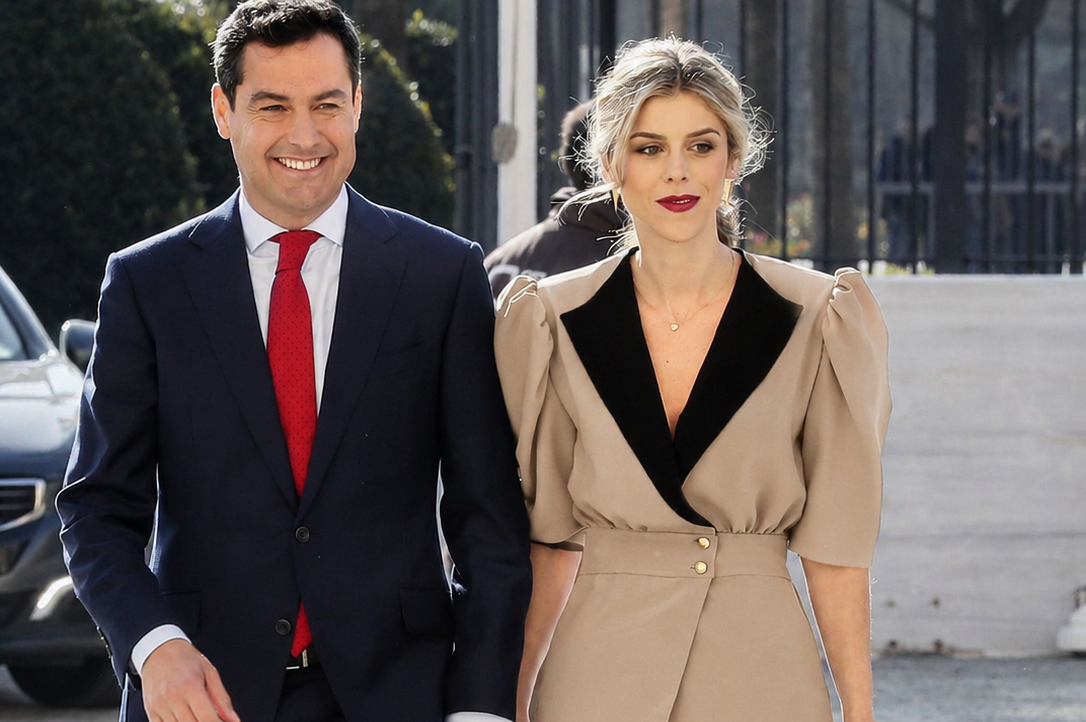
On a personal level too, many Andalusians see Juanma Moreno and his wife Manuela Villena as representing the image of a new Andalusia. Neither comes from traditional elites or major political dynasties, but rather from relatively modest backgrounds. Through hard work, discipline and many personal sacrifices, they gradually worked their way up over the years. This image of social mobility, normality and groundedness resonates strongly with many people in Andalusia today — especially in a region that is increasingly reinventing itself and wants to be seen as more modern, international and economically successful.
But Moreno is also watching the rise of the far right carefully
Despite strong polling numbers, there is also concern within Moreno’s political camp.
The Andalusian leader is wary of the continued rise of the far right in Spain.
Developments in regions such as Extremadura and Aragon are being closely watched within the PP. In both regions, pressure from the right has already significantly reshaped conservative regional governments and triggered growing political tensions.
That is precisely why Juanma Moreno has deliberately tried to maintain a moderate and centrist profile. Many of his voters appreciate the fact that Andalusia has so far avoided the kind of political conflicts and polarisation seen in other parts of Spain.
The key question in tomorrow’s election is therefore not only how badly the Socialists could lose — but also whether Moreno will be able to defend his political centre ground against increasing pressure from the far right.