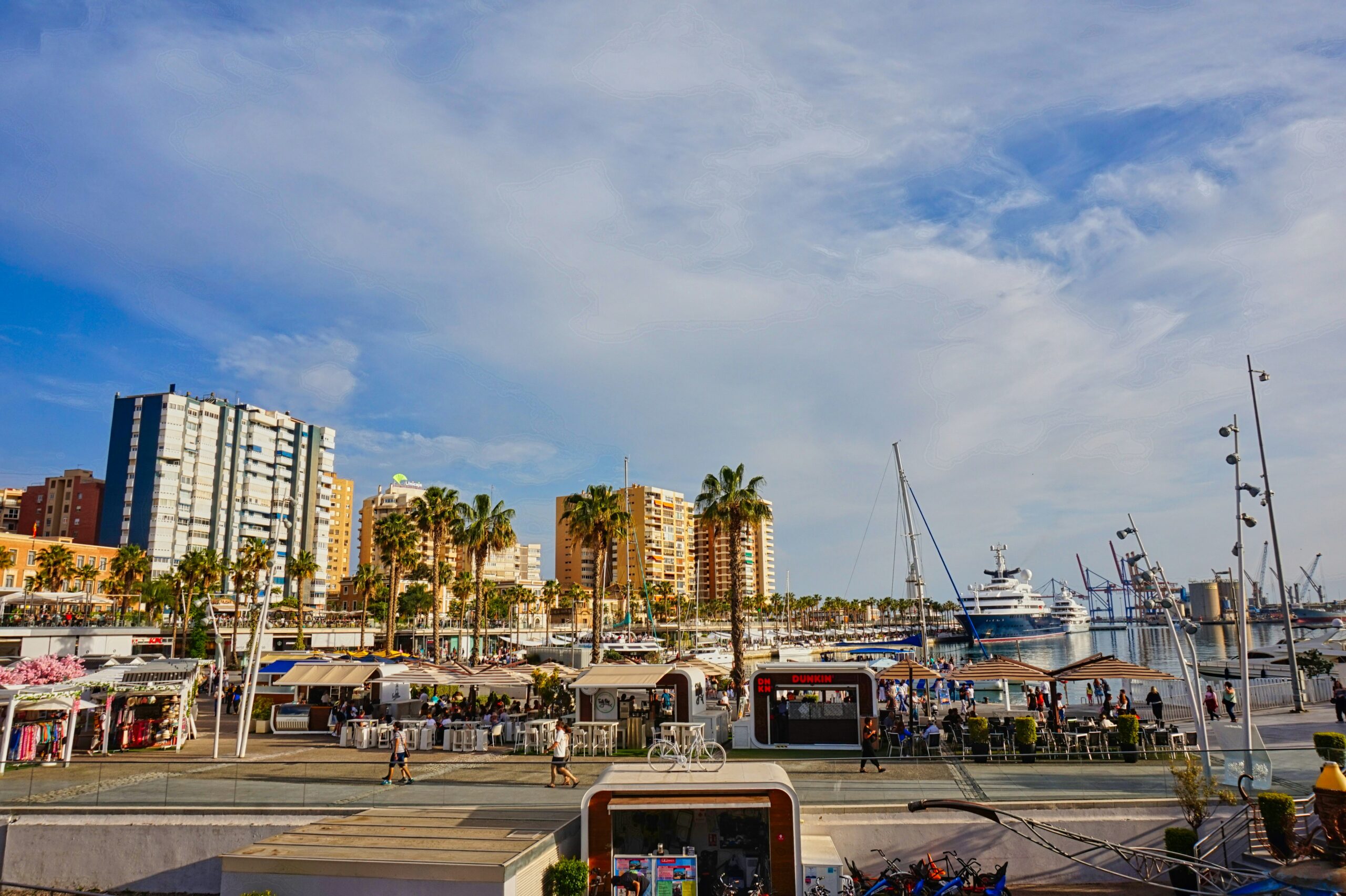
The port of Málaga, one of the most important and oldest in Europe, has become the centre of a controversial debate in recent weeks. Although the port has historically welcomed numerous impressive vessels, such as the megayacht Luna in 2017, it is now an art installation that is attracting attention and stirring up emotions.
Spain Press Editorial Team
The origin of the controversy lies in the planned installation of two monumental sculptures representing the figures of two Roman deities: Neptune, the God of the Sea, and Venus, the Goddess of Love and Beauty. Both works were created by artist Ginés Serrán, who was born in Ceuta, and were originally set to be unveiled on 21st February at the port of Málaga. However, on 12th February, the port’s Board of Directors decided to halt the opening. The reason for this delay could be a review and possible shortening of the contract by six months without extension, as reported by the local news outlet Málaga Hoy.
A monumental work that combines the classical and the modern
The sculptures, reaching impressive dimensions of 7.5 metres in height for Neptune and 5.5 metres for Venus, have caused a stir in the art world. Neptune weighs two tonnes, while Venus is significantly lighter at one tonne. The artist explained that the works combine both classical elements of Greco-Roman sculpture and modern innovations. For example, the figure of Neptune carries a fishing net – the first time in art history that such a net has been depicted in monumental bronze casting.
Serrán emphasised in an Instagram post that these sculptures reflect the historical and cultural richness of Málaga. “Málaga is a city with nearly 3,000 years of history, founded by the Phoenicians and a major trading hub during the Roman era. These works aim to honour this heritage and highlight the connection between the past and the present,” the artist explained.
Criticism and comparisons to superheroes
Despite the recognition Serrán has received for his work, the sculptures have also sparked numerous critical voices. The Real Academia de Bellas Artes de San Telmo issued a statement criticising the works, comparing the figures to superheroes from comics, which led to an intense debate about the artistic value of the sculptures. The comparison to Marvel characters, which cast the sculptures in a more pop-culture light, met with resistance, particularly among art critics.
The British outlet The Times also picked up the topic, publishing an article titled: “The Roman God Statues in Málaga Look Like Comic Book Superheroes.” This report further intensified the international discussion about the aesthetic value of the sculptures and their connection to traditional art forms.
Petition to prevent the installation
The controversy gained even more momentum when an online petition was launched on Change.org, opposing the installation of the sculptures. The petition, which quickly gathered thousands of signatures, calls for the “immediate halt of the installation” and a review of the project by the Málaga City Council as well as the Provincial Heritage Commission. It also emphasises that the city authorities should ensure all legal requirements and permits are fully complied with.
The signatories of the petition argue that the sculptures not only alter the port’s cityscape but may also lack the necessary cultural legitimacy to be displayed at such a historic location. Furthermore, they emphasise the need for a transparent and legally sound approval process and artistic selection.
The significance of Neptune and Venus for Málaga
Despite the controversies, the cultural significance of Neptune and Venus in Málaga cannot be overlooked. The city has a long history of Roman and Phoenician influence, with mythology playing a central role. Neptune, the God of the Sea, is a symbol of Málaga’s strong connection to the sea and maritime trade. Venus, as the Goddess of Love and Beauty, embodies the ideal of aesthetic perfection that has been revered in art history for centuries.
With these sculptures, Serrán aimed to create a dialogue between ancient mythology and modern art. It is an artistic engagement with ancient traditions and their influence on the present.
The future of the sculptures in Málaga
The future of the monumental sculptures remains uncertain. While some see the works as a bold step towards modernity and artistic development, others believe they do not do justice to the historical and cultural values of the city. The discussion is far from over, and it will be interesting to see how the city council and relevant authorities respond to the growing criticism.
Whether the sculptures of Neptune and Venus will ultimately be installed at the port of Málaga or if the project will be altered remains to be seen. However, one thing is certain: this topic will continue to stir emotions and lead to intense discussions among both art enthusiasts and the residents of Málaga.