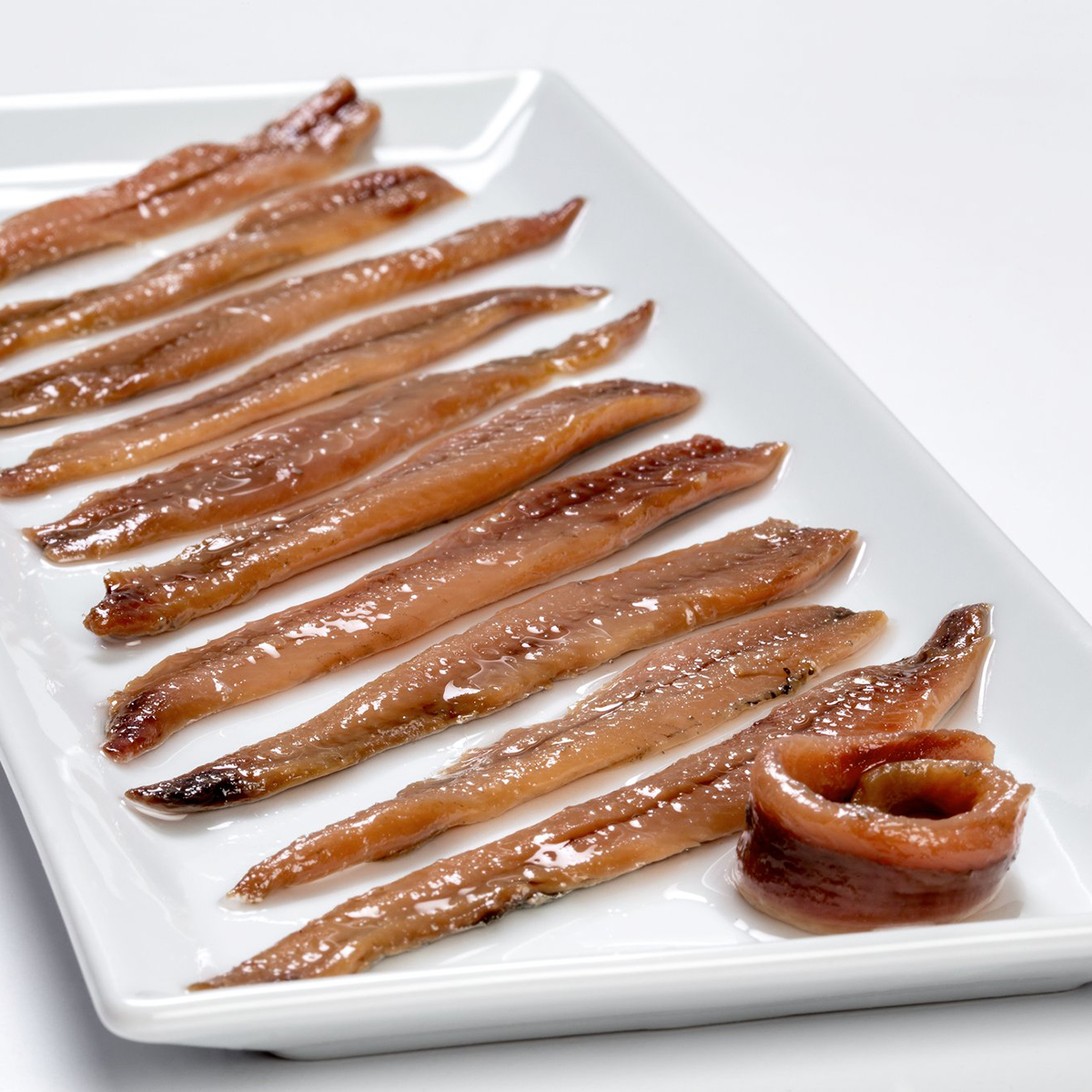
The Feria de la Anchoa (Anchovy Fair) on Spain’s Cantabrian coast is one of the country’s most authentic food festivals – and yet it remains almost invisible outside Spain. Each year at the end of April, a normally quiet harbour town east of Santander (Santoña) transforms into a stage dedicated to a single product: the Cantabrian anchovy, the famed “anchoa del Cantábrico”. For readers who associate Spain mainly with tapas bars and beach promenades, this festival opens a window onto the industrial and artisanal heart of Spanish gastronomy.
Spain Expat Press Editorial Team
For generations, the town has lived from fishing and the canning industry. When anchovy season peaks, the place shifts into high gear: boats sail in and out of the harbour, factories work from dawn to dusk filleting, salting and packing, and in the bars countless plates of anchovy pintxos cross the counters. The Feria de la Anchoa condenses all of this into a few days: tasting stalls, stands run by local producers, themed routes through the old town’s taverns and guided visits to the canning plants.
At its core, the fair is a celebration of craftsmanship. Visitors can watch how a modest little fish becomes a premium delicacy: anchovies are opened by hand, painstakingly de‑boned, carefully trimmed and finally layered into tins and jars. Much of this work is done by women who have been in the trade for decades – a detail that gives the festival a social and cultural depth that goes far beyond simple “food tourism”.
Alongside this, the local restaurant scene showcases just how versatile the anchovy can be. Classic combinations – an anchovy on toasted bread with butter or olive oil – sit alongside creative interpretations with cream cheese, vegetable purées or hot dishes where the fish is used more as a salty seasoning. Live cooking demonstrations, competitions for the best pintxo and special menus in selected restaurants turn the town into a laboratory for northern Spanish cuisine.
Yet the fair is more than a specialist gathering for the food industry. Music, folk performances, children’s activities and small parades draw out the entire town. Anyone wandering the streets quickly senses that this is not a show staged for tourists, but a community celebrating its own identity – and that visitors are welcome guests for a few days. The working‑harbour backdrop, combined with a festive atmosphere and the smell of the sea, sets the scene apart from the postcard images of better‑known Spanish destinations.
For an audience that tends to see Spain primarily as a holiday backdrop, the Feria de la Anchoa is an invitation to discover a different country: industrial and artisanal, salty rather than sweet, more rubber boots than flip‑flops. At the end of April, Spain really does look north – and the most fascinating stage for that shift is a small harbour town whose biggest star is only a few centimetres long and comes in a tin.