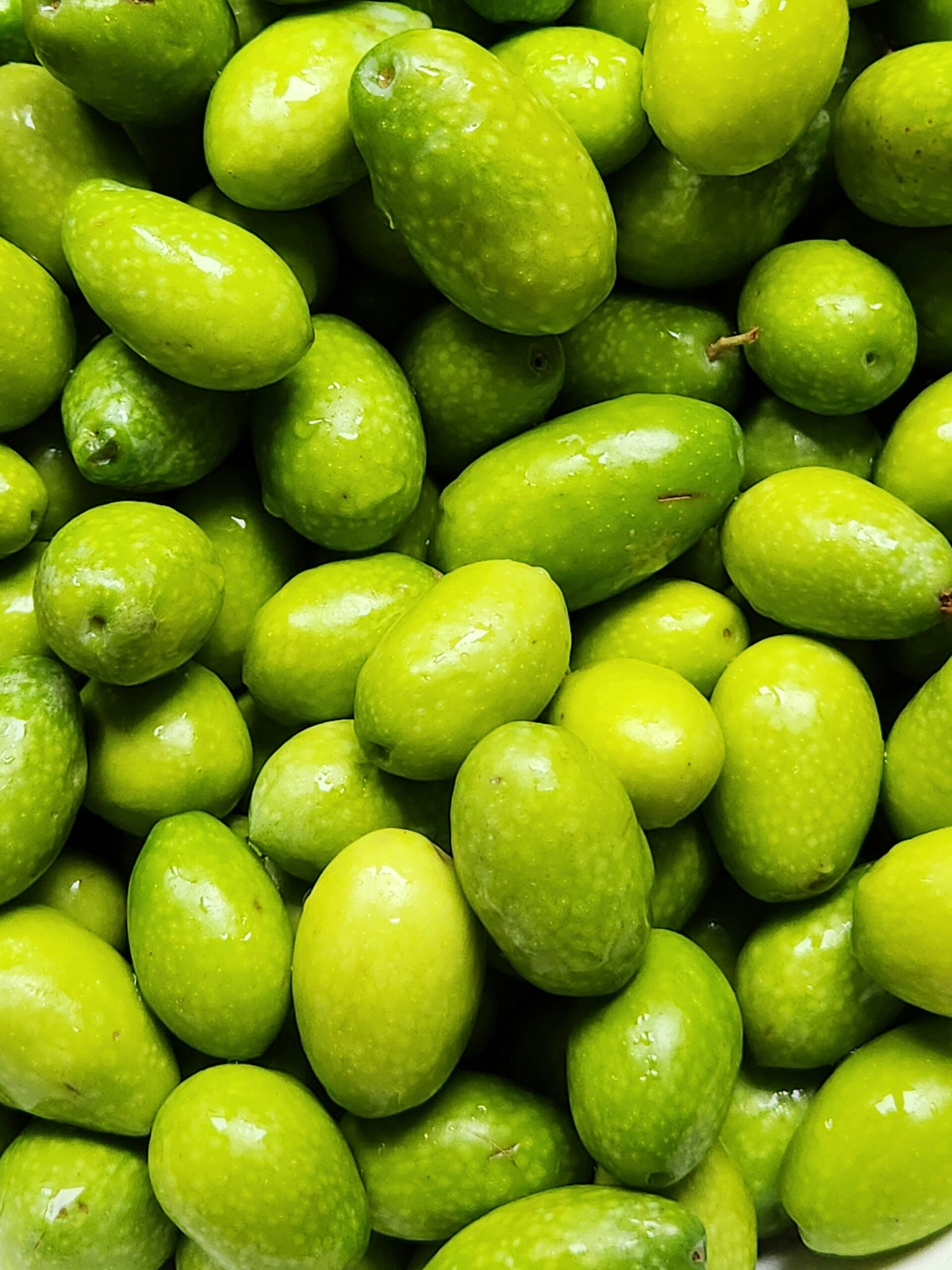
A Europe-wide food alert is currently causing concern: health authorities have issued a warning after dangerous intestinal bacteria were detected in a batch of Spanish green olives. The contaminated products may already be in circulation in several EU countries.
Spain Expat Press Editorial Team
by Marlon Gallego Bosbach
The affected batch was initially identified in Poland, according to authorities. There, food inspectors detected so-called verotoxin-producing Escherichia coli—known as STEC or VTEC—during routine checks. These bacteria produce the dangerous Shiga toxin, which can cause severe illness in humans.
EU rapid alert system activated
Following the discovery, the European Rapid Alert System for Food and Feed was reportedly activated immediately. Through this system, Member States are informed within hours about potentially hazardous food products. The aim is to remove contaminated products from supermarkets and supply chains as quickly as possible before consumers become ill. So far, however, no specific brands or batch numbers have been made public. It also remains unclear which countries have been supplied with the affected products.
How dangerous are STEC bacteria?
STEC pathogens are among the most dangerous foodborne microbes in Europe. Even small amounts can cause serious health effects. Those affected often suffer from severe abdominal cramps, nausea, vomiting and diarrhoea. In more severe cases, the diarrhoea may become bloody. Fever and significant fluid loss can also occur in some cases.
The most dangerous complication is the so-called haemolytic uraemic syndrome (HUS). In this condition, red blood cells are destroyed and the kidneys can be severely damaged. Children, older adults and people with weakened immune systems are considered to be at particularly high risk. Spain’s Carlos III Health Institute has reportedly warned that Shiga toxins can trigger “severe systemic diseases in humans.”
Memories of the 2011 EHEC outbreak
The current reports are bringing back memories of the severe EHEC outbreak in Germany in 2011. At that time, more than 50 people died and thousands fell ill. It also involved Shiga toxin-producing E. coli bacteria.
Although there is currently no evidence of a major outbreak or any deaths, European authorities are reportedly monitoring the situation very closely. Experts emphasise that even a single contaminated batch can be enough to trigger a large-scale product recall.
How do such bacteria end up in olives?
Fermented olives are generally considered a relatively safe food due to their salt content and low pH level. However, experts point out that processing errors can have serious consequences. Contaminated water, poor hygiene conditions in production facilities, or problems during fermentation can allow harmful microbes to survive or even multiply.
Cross-contamination during packaging or transport is also considered a possible cause. Studies on foodborne pathogens show that factors such as temperature, acidity level and salt concentration are crucial in determining whether harmful bacteria can develop in fermented foods.
What consumers should do now
Anyone who currently has Spanish green olives at home should exercise caution, particularly if the origin or batch is unclear. Consumers should not eat the product if the packaging appears damaged, if there is an unusual smell, or if the liquid in the container looks cloudy or slimy. Visible gas formation can also be a warning sign.
If symptoms such as severe abdominal pain, diarrhoea or vomiting occur after consumption, health experts strongly advise seeking medical attention immediately. Doctors also warn against taking antibiotics without medical supervision. In cases of STEC infections, certain antibiotics can actually increase the release of Shiga toxin and worsen the course of the illness.
Spain under pressure
Spain is one of the world’s largest producers of olives and olive oil. In particular, Andalusia is heavily economically dependent on the olive industry. This incident is therefore expected to have significant consequences not only for public health, but also for the economy.
Authorities are currently working at full speed to trace supply chains and remove any potentially affected products from circulation. Until further information is released, consumers are advised to exercise increased caution.