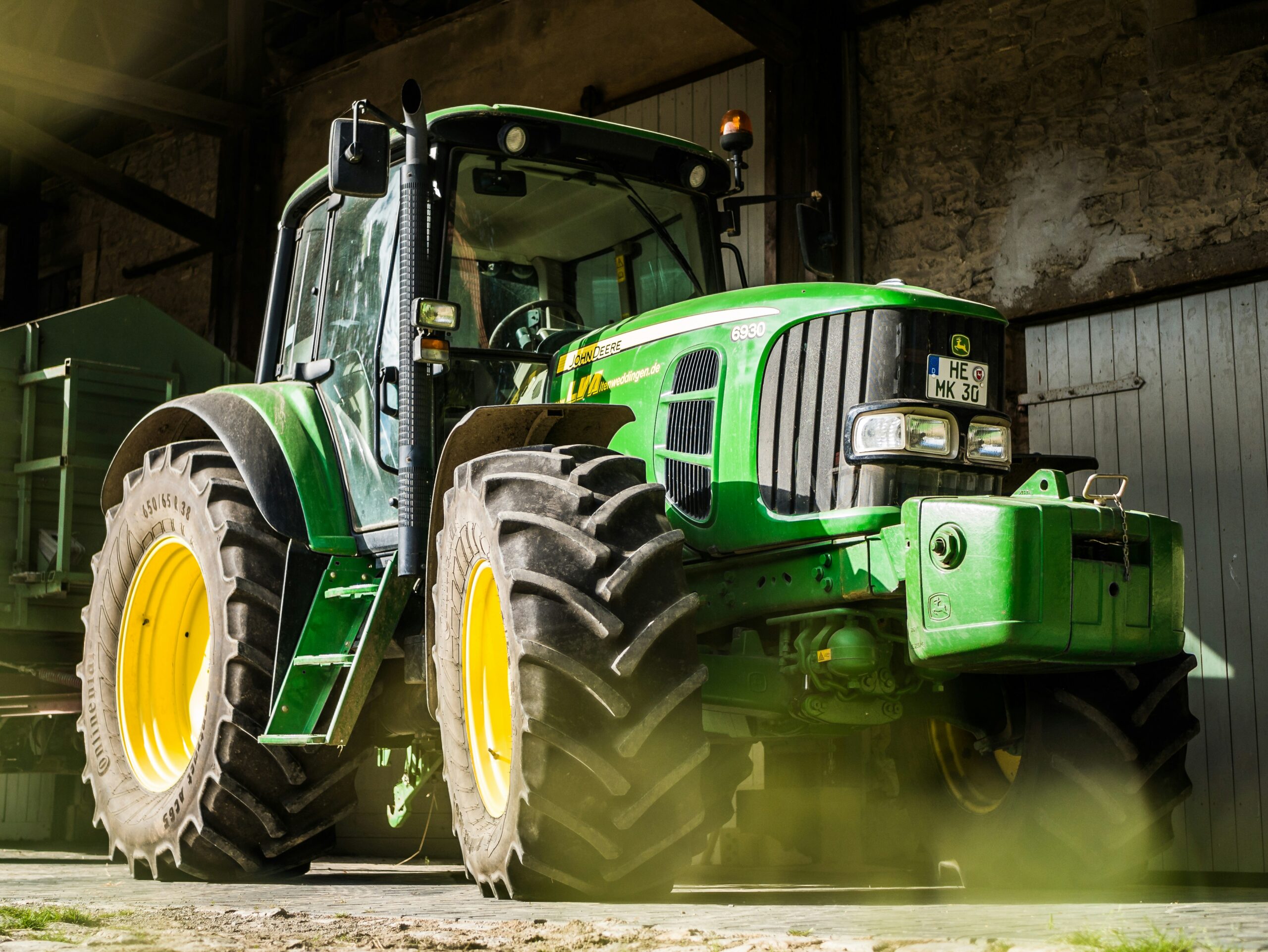
In one of the largest mobilisations of recent years, Spanish farmers and livestock breeders have today taken over central Madrid with more than 500 tractors in order to draw urgent attention to the deep-rooted problems facing the agricultural sector. The protest, organised by the Unión de Uniones de Agricultores y Ganaderos together with the Unión Nacional de Asociaciones del Sector Primario Independientes (Unaspi), has brought thousands of people from across the country to the capital.
Spain Press Editorial Team
by Marlon Gallego Bosbach
A protest with broad support
The action has been underway since the morning, as five columns of heavy agricultural machinery set off from regions such as Torrejón de la Calzada, Guadalajara, El Espinar, Robregordo, and Arganda del Rey, heading towards the Spanish capital. The slowly moving columns, accompanied by farmers on foot, are making their way through large parts of the metropolis, including key thoroughfares such as Paseo de Recoletos, Paseo del Prado, and Plaza de Colón, before gathering in front of the Ministry of Agriculture, Fisheries and Food.
The demonstration was approved by the Delegación del Gobierno; beforehand, around 500 tractors were authorised, although significantly more participants were expected.
Goals and demands – more than just a traffic disruption
The protesters have put forward clear demands to the government and to Europe:
-
Criticism of the EU-Mercosur agreement: The farmers see the risk that cheap agricultural imports from South America could put pressure on the domestic market and threaten the existence of small and medium-sized farms.
-
Rejection of cuts to the Common Agricultural Policy (CAP): The farmers are demanding stable, reliable support that covers production costs and safeguards the future of rural areas.
-
Fair prices and competitive conditions: Many production costs, such as fuel, fertiliser, and livestock management, are high in Spain; compared to the international market, the sector feels disadvantaged.
-
Ensuring food sovereignty: In the face of global challenges, domestic agriculture must be protected to guarantee food security.
A day that changed Madrid
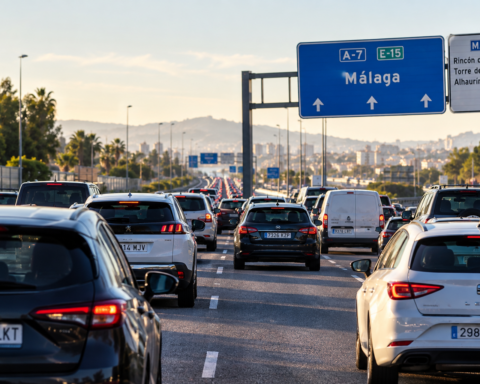
The impact on city life has been significant: between 8:00 a.m. and 6:00 p.m., there have been widespread traffic restrictions, closures of central streets, and congestion across large parts of the metropolis. The presence of tractors on the streets has dominated the daily routine of many commuters and tourists.
The security authorities have deployed a strong police presence to ensure the mobilisation proceeds peacefully and to minimise risks – a measure that is being regarded as a major logistical success given the scale of the protest.
A protest with a history
Today’s “tractorada” is part of a long-standing discontent within the Spanish agricultural sector. In recent years, there have been repeated similar demonstrations, sometimes involving road blockages, protests in front of government ministries, and the conspicuous use of tractors as a symbol of the sector’s existential concerns.
Politically, this protest is more broadly rooted than merely a regional expression of discontent: farmers’ associations from various autonomous communities have joined forces, seeking to force a national debate on the future of rural areas.
What does this mean for Spain?
Analysts see this mobilisation as more than just a conventional interest group action: Spanish agriculture has faced structural challenges for years – from global competition and rising production costs to strict regulatory requirements at the EU level. This protest reflects just how deeply these issues are now being felt.
Although no immediate political concessions have been announced so far, the protest sends a clear message to the government and Brussels: without substantial political responses, Spain and Europe risk irreversibly losing an important economic sector and vital rural communities.