Following heavy rainfall, several beaches in Málaga were temporarily closed in August after elevated levels of E. coli were detected. The city’s sewerage system is now set to undergo a comprehensive upgrade. Separate pipelines, new stormwater retention tanks and filtration systems are intended to prevent contaminated water from reaching the Mediterranean during periods of heavy rain.
Spain Expat Press Editorial Team
by Marlon Gallego Bosbach
Málaga wants to make its sewerage system better equipped to cope with heavy rainfall. The city is relying on a gradual separation of stormwater and wastewater, additional drainage infrastructure and greater retention capacity. The plans come against the backdrop of repeated problems at the city’s beaches following heavy rainfall.
On 15 August, a severe storm front once again put pressure on the sewerage network. Several beaches were subsequently temporarily closed to bathers. Elevated levels of the bacterium Escherichia coli (E. coli) were detected in the affected waters. Following further tests, the beaches were declared safe for bathing again.
When stormwater and wastewater come together
The fundamental problem lies in the structure of the sewerage network. In parts of Málaga, stormwater and wastewater are still carried through the same pipes. Under normal rainfall, this does not pose an immediate problem. However, during exceptionally heavy rainfall, the volume of water can exceed the system’s capacity.
This is when so-called overflow structures come into operation. They are designed to prevent the sewerage system from overflowing and flooding streets or buildings. At the same time, however, mixed wastewater and pollutants carried with it can reach the sea.
This mechanism became a political flashpoint following the heavy rainfall in August. The city authorities point out that such overflows also occur in other coastal cities during periods of intense rainfall and serve to protect against flooding.
More than half of the network is already separated
According to Emasa, around 55 per cent of Málaga’s sewerage network is now designed to carry stormwater and wastewater separately. The city aims to increase this proportion to 70 per cent by 2029.
Pipelines in Salvador Allende, Churriana, Carretera de Cádiz, Palma-Palmilla, La Malagueta and Pedregalejo Alto are among those being expanded or modernised. The historic Carretería collector in the city centre is also part of the measures.
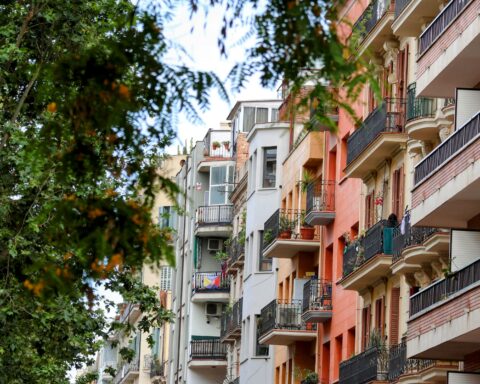
Older parts of the city in particular present a particular challenge. Some of the infrastructure there is decades old and was not designed to cope with the volumes of water that can occur during short but extremely intense downpours.
Millions for new infrastructure
The modernisation is part of the investment plan for hydraulic infrastructure for 2024 to 2029. According to Emasa, more than 130 projects with a total investment of around €100.3 million are planned for this period.
During the first two years, 59 measures were already completed, started or contractually commissioned. Their total value stands at around €50 million. A further €36.1 million worth of projects is scheduled to go out to tender over the next 12 months.
The projects range from replacing ageing pipelines to expanding drainage infrastructure and reducing the risk of flooding.
A large stormwater retention tank aims to prevent overflows
One of the most important planned measures concerns the historic Carretería collector, which carries wastewater from the city centre towards the port. A so-called storm overflow or stormwater retention tank is to be built there. It will temporarily store large volumes of water during heavy rainfall. This could prevent the water from flowing directly into the sea through overflow structures.
In addition, new filtration systems are planned to trap solid particles in the water. The expansion of stormwater drainage in the Dos Hermanas area is also part of the package of measures. Further sections of a stormwater drainage channel are to be built there.
It is not just the weather causing controversy
The repeated beach closures have, however, sparked a political debate. The opposition accuses the city authorities of failing to push ahead with the modernisation of the sewerage system quickly enough.
The Socialists are particularly critical of the fact that, after decades of Partido Popular rule, a significant part of the network is still not fully separated. They have also criticised the lack of, or insufficient capacity of, stormwater retention tanks.
The city authorities reject this account and point to the investments already under way. Emasa stresses that the aim is not only to separate the pipelines, but also to increase drainage capacity and better protect the city against heavy rainfall.
A problem for a major tourist destination
The issue is particularly sensitive for Málaga. The city is one of Andalusia’s most important tourist destinations and, particularly during the summer months, relies on clean and accessible beaches.
Several beach closures within just a few weeks are therefore not only an environmental and public health issue, but could also damage the city’s image. In August, up to six beaches were temporarily closed after elevated levels of E. coli were detected.
Tourism also places additional pressure on the infrastructure. During the peak season, the number of people in Málaga rises significantly. This also increases the volume of wastewater generated.
Málaga aims to be prepared for extreme rainfall
The city is therefore relying on a combination of measures: separate sewerage networks, larger stormwater pipes, retention tanks, modernised pumping stations and additional filtration systems.
Whether these measures will be sufficient, however, will only become clear when the next periods of heavy rainfall arrive. One thing is already clear: for Málaga, modernising its water and wastewater infrastructure will be a long-term task.
The more intense short periods of rainfall become, the greater the pressure on a sewerage network that in some areas dates back to a time when the city’s current size and importance could not have been foreseen.