The Costa Blanca is bracing for another spell of intense heat as a mass of hot air from the Sahara is set to send temperatures soaring in the coming days. Large parts of Alicante province are expected to experience extreme summer conditions once again, with temperatures approaching 40°C in some areas. Forecasters warn that the heat will be particularly challenging for vulnerable groups, including older people, children and holidaymakers.
Spain Expat Press Editorial Team
by Marlon Gallego Bosbach
The latest weather conditions are hitting the region at the height of its peak holiday season. Thousands of visitors are currently enjoying the beaches, towns and attractions along the Mediterranean coast, but they now face unusually hot days and nights with little respite from the heat.
Saharan Heat Moves Towards the Costa Blanca
The exceptional heat is being driven by a warm air flow moving in from North Africa. These weather patterns are often caused by stable high-pressure systems that carry hot, dry air from the Sahara across Europe.
The weather pattern means the hot air can remain over the Iberian Peninsula for several days, bringing extremely high daytime temperatures, very dry conditions and intense sunshine. At the same time, the impact on people, wildlife and the environment increases considerably.
Inland areas of Alicante province are expected to be among the worst affected, as temperatures tend to rise more sharply away from the cooling influence of the coast. The highest values are forecast in these areas.
Temperatures Could Reach 40°C
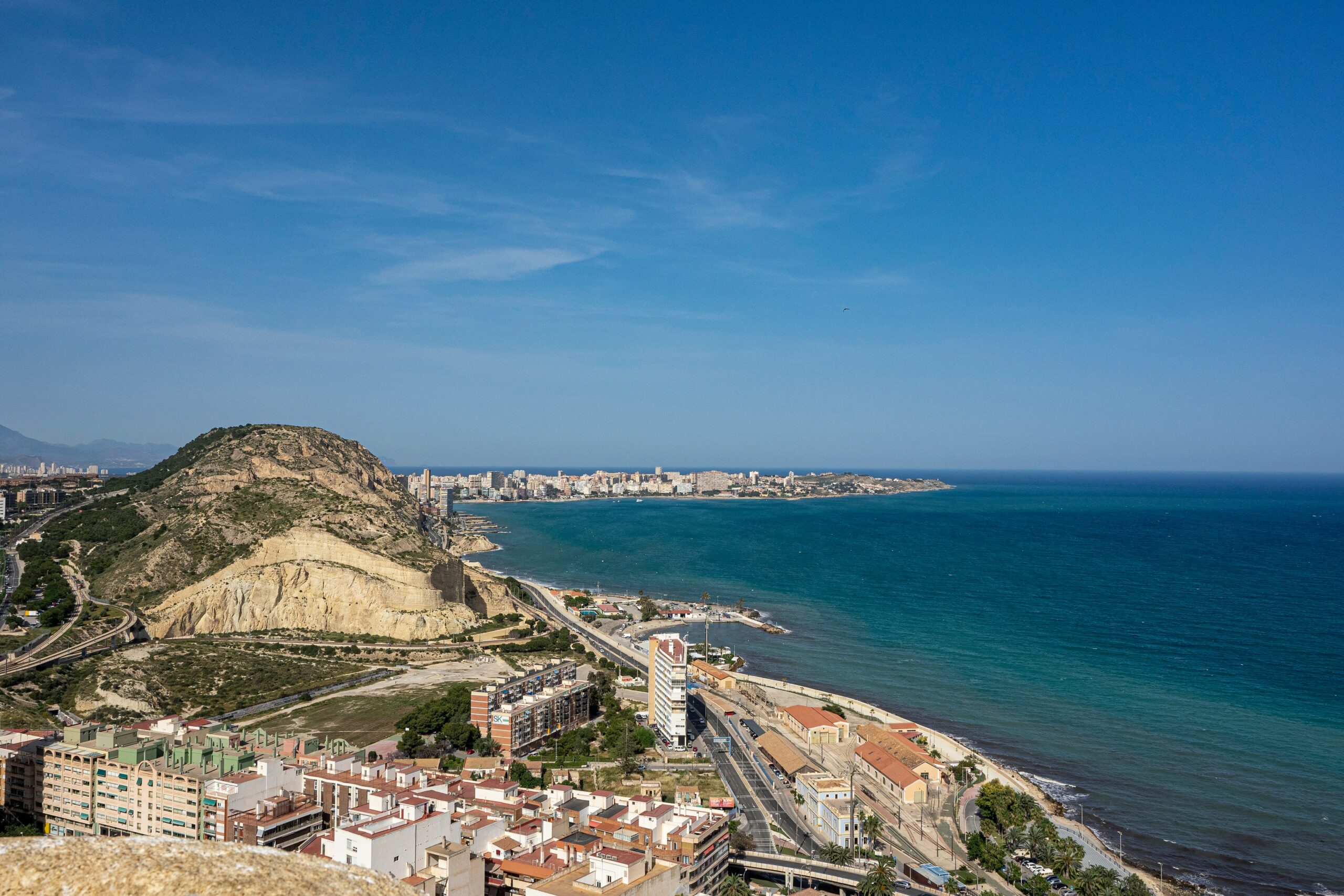
Although the Mediterranean helps to ease temperatures slightly along the coast, the heat will remain intense in coastal towns as well. Areas including Alicante, Benidorm, Jávea, Torrevieja and Dénia are set for very hot conditions, while inland parts of Alicante province could once again see temperatures climb to around 40°C.
The contrast between coastal and inland areas is a typical feature of the Costa Blanca. The Mediterranean acts as a natural regulator, keeping temperatures along the shoreline from reaching the most extreme levels. Further inland, where this cooling effect is absent, temperatures rise much more rapidly.
For residents and holidaymakers alike, the conditions will be especially demanding during the hottest part of the day, particularly around midday and in the afternoon. Experts advise avoiding walks, strenuous activities and prolonged exposure to direct sunlight during these hours whenever possible.
Tropical Nights: Little Relief Even After Sunset
The extreme daytime temperatures are not the only concern. The so-called tropical nights are proving equally challenging, with temperatures remaining high and offering little relief even after the sun goes down.
When temperatures remain high overnight and the air fails to cool sufficiently, homes and buildings can accumulate heat over several days. This can make it harder for many people to sleep and reduces the body’s ability to recover from prolonged heat exposure.
In densely populated coastal towns in particular, heat can remain trapped between buildings for extended periods. This leads to increased use of air conditioning and fans, putting additional pressure on energy consumption.
Authorities Issue Heat Safety Advice
Spanish authorities are urging people to take particular care during the extreme heat. Vulnerable groups, including older people, young children and those with existing health conditions, are being advised to avoid exposure to the hottest conditions whenever possible.
Authorities advise people to stay well hydrated and limit direct exposure to the sun during the hottest parts of the day. Strenuous activities should be carried out, where possible, during the early morning or later in the evening when temperatures are lower.
Holidaymakers are also being warned not to underestimate the strength of the Spanish summer heat. Many visitors spend hours on the beach or exploring outdoors without fully realising the strain that temperatures above 35°C can place on the body.
Rising Wildfire Risk on the Costa Blanca
The extreme heat is also raising the risk of wildfires across the region. A combination of soaring temperatures, dry vegetation and low humidity is creating ideal conditions for fires to spread quickly.
Dry woodland, pine forests and areas with dense vegetation are among the most vulnerable locations. In such conditions, even minor acts of negligence can have serious and potentially devastating consequences.
Authorities are closely monitoring the situation and are urging both residents and visitors to exercise caution with fires, cigarettes and any other potential sources of ignition that could trigger a blaze.
How the Heatwave Is Affecting Holidaymakers and Tourism
The Costa Blanca is one of Spain’s most popular holiday destinations, welcoming millions of visitors from around the world each year. However, the current heatwave is expected to alter the way many tourists experience their stay in the region.
Many visitors are expected to adjust their plans by moving activities to the cooler early morning and evening hours. Excursions inland, hiking routes and longer sightseeing trips can become considerably more challenging when temperatures climb towards 40°C.
Hotels, restaurants and holiday resorts are adapting to the challenges brought by the extreme heat. Air conditioning, swimming pools and shaded outdoor spaces are becoming increasingly important as visitors look for ways to cope with the high temperatures.
Despite the extreme heat, demand for holidays on the Costa Blanca remains strong. The region’s sunny climate, stunning beaches and well-developed infrastructure continue to make it one of the Mediterranean’s most popular destinations.
Growing Strain on Local Residents
For those living permanently on the Costa Blanca, a heatwave of this intensity creates additional challenges. Beyond the health risks, extreme temperatures also put increased pressure on energy supplies, water resources and emergency services across the region.
Greater reliance on air conditioning is pushing up electricity costs for many households. At the same time, water consumption is increasing, while public services and healthcare providers face additional pressure during periods of extreme heat.
Older people and those with existing health conditions are among the groups most vulnerable during such weather conditions and require particular protection during periods of extreme heat.
Another Summer of Extreme Heat for Spain
The current weather pattern is part of an increasing number of intense heatwaves affecting the Mediterranean region. Spain has become accustomed to periods of extreme summer heat, with warm air masses from North Africa regularly driving temperatures to exceptionally high levels.
Meteorologists are not only keeping track of how high temperatures rise, but also how long these extreme weather patterns persist. Heatwaves lasting days or even weeks are becoming an increasing challenge for communities, agriculture and the natural environment.
Due to its Mediterranean climate, the Costa Blanca is among the regions that are particularly vulnerable to these increasingly frequent heat events.