

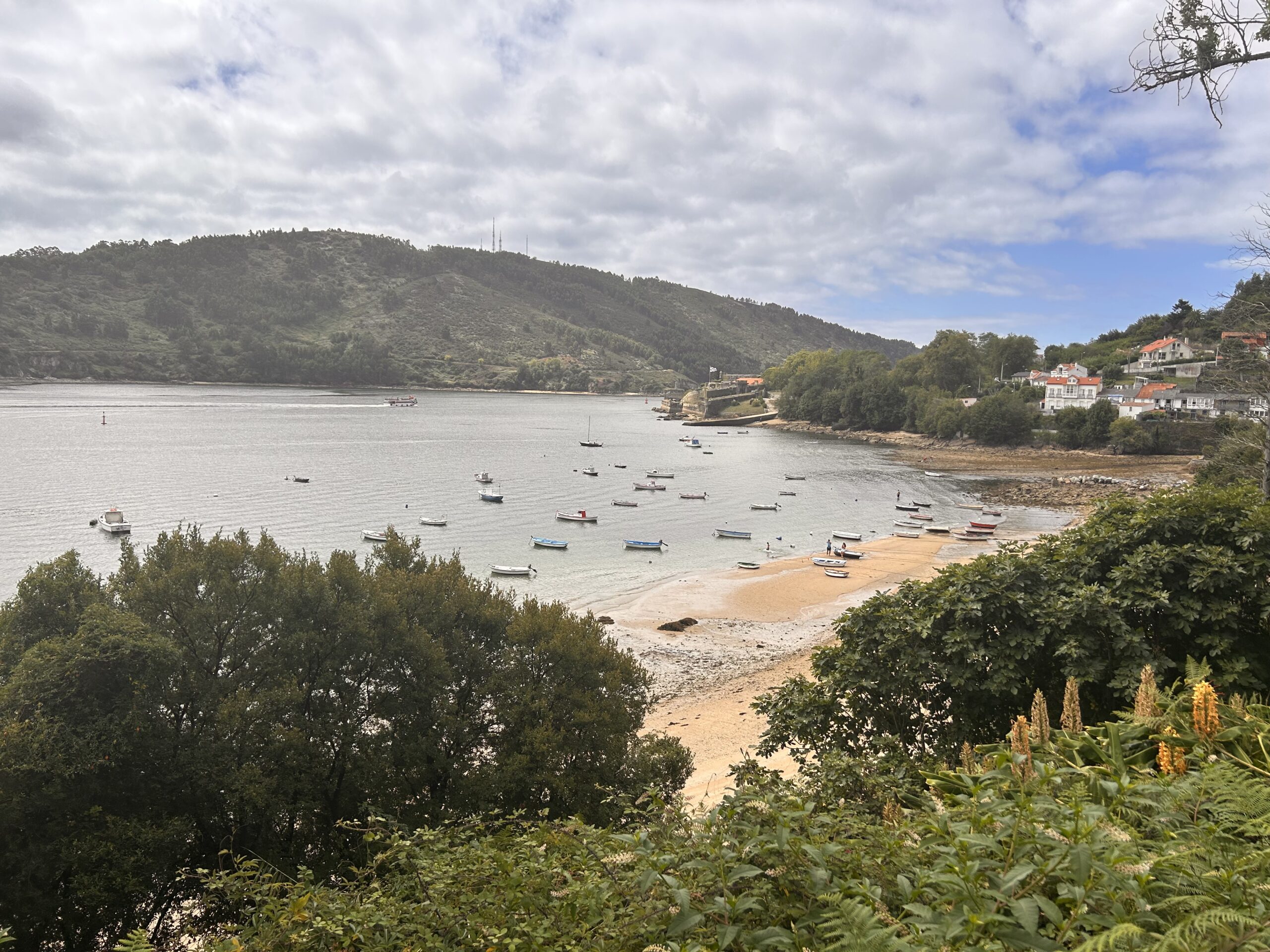
As many of Spain’s classic Mediterranean destinations struggle with extreme heat, rising prices and overtourism, more Spaniards and international visitors are turning their attention north. Galicia, Asturias, Cantabria and the Basque Country offer a very different vision of Spain: greener, fresher, more traditional — and in many places still remarkably authentic. Yet the south remains the favourite, with travel increasingly shifting towards autumn, winter and spring.
Spain Expat Press Editorial Team
Spain’s tourism map is changing. For decades, summer holidays among wealthier Spaniards followed an almost cultural pattern: part of the season in the Balearic Islands, part in Marbella or on the Costa del Sol — and, for families with a more traditional taste, time in northern Spain, where the climate was milder, the food exceptional and the social scene more discreet.
But what was once an established holiday habit is now becoming a wider trend. More Spaniards are deliberately looking north. Not only because summer temperatures are cooler, but because many travellers are searching for something that appears to have been lost in some overcrowded coastal resorts: real life, established communities, local culture and a Spain not entirely reshaped by tourism.
Green Spain as an alternative to the overheated Mediterranean
Galicia, Asturias, Cantabria and the Basque Country form what is often known as “Green Spain”. Instead of endless hotel developments and crowded promenades, visitors find cliffs, fishing villages, mountains, forests, wild beaches and historic cities.
These regions offer a different image of Spain: less concrete, less spectacle, less mass tourism — and more landscape, gastronomy and everyday life. At a time when heatwaves are becoming increasingly common in southern Spain and across the Mediterranean, this part of the country is gaining obvious appeal.
While Mallorca, Ibiza, Barcelona, the Costa del Sol and the Canary Islands face growing debates over overtourism, rising rents and the displacement of local residents, the north is increasingly seen as a counter-model. Not empty, not undiscovered, but in many areas still far more balanced.
Galicia: Atlantic force, tradition and identity
Galicia is currently attracting particularly strong interest. The region combines Atlantic coastline, green landscapes, historic cities, the Camino de Santiago and a cuisine that has long enjoyed cult status across Spain. Seafood, Albariño wine, octopus, small harbours and ancient stone villages define its character.
For many travellers, Galicia is not just a destination, but a feeling: rougher, more honest and less staged than many Mediterranean hotspots. Spain here still feels deeply rooted in its local traditions.
Asturias: the quiet luxury of simplicity
Asturias represents, perhaps more than any other region, the luxury of simplicity. Small coastal towns, the Picos de Europa, wild beaches, cider houses and hearty regional cuisine attract visitors who want quality without the exaggerated display of the jet set.
Here, summer does not necessarily mean beach clubs and champagne. It means fabada in a village restaurant, cider poured in a traditional sidrería, green mountains and beaches that do not feel like international catwalks. That sense of normality is becoming valuable again.
Cantabria: elegance without the noise
Cantabria is also benefiting from the renewed interest in the north. Santander, Comillas, Santillana del Mar, Suances and the Cantabrian coast have long attracted Spanish families seeking a cooler, quieter and more refined summer.
Cantabria has a discreet quality. It is elegant without being flashy, beautiful without being overmarketed. That is precisely its appeal for travellers tired of overcrowded beaches, overpriced restaurants and constant tourist staging.
The Basque Country: gastronomy, culture and confidence
The Basque Country occupies a category of its own when it comes to tourism. San Sebastián has for decades been one of Spain’s most elegant destinations, Bilbao has become a modern cultural capital, and Basque cuisine ranks among the finest in Europe.
Yet the attraction of the Basque Country lies not only in Michelin stars and pintxos. It is the region’s strong identity that fascinates visitors. Architecture, language, coastline, markets, culture and gastronomy create an image of Spain very different from the familiar clichés of sun, flamenco and sangría.
Climate change is reshaping holiday habits
The growing success of northern Spain is also linked to the climate. As southern Spain and many Mediterranean areas suffer increasingly extreme temperatures, travellers are looking for cooler alternatives. The term “coolcation” — holidays in cooler regions — is gaining ground across Europe.
For northern Spain, this represents a historic opportunity. It offers sea, mountains, culture, gastronomy and more comfortable summer temperatures. That combination is making it attractive to Spanish families, international tourists and, increasingly, foreign residents.
The south remains favourite — but the season is shifting
Despite the growing interest in the north, southern Spain remains the preferred destination for many holidaymakers. Andalusia, the Costa del Sol, Marbella, the Balearics and the Canary Islands have by no means lost their appeal. On the contrary: sunshine, the sea, gastronomy, an international atmosphere and a relaxed lifestyle remain powerful arguments.
What is changing, however, is the timing of travel. While the summer months in the south increasingly feel too hot, too expensive and too crowded for many visitors, autumn, winter and spring are becoming more important. It is then that southern Spain shows its great strength: mild temperatures, long hours of sunshine and a way of life that is hard to find in much of Europe during the colder months.
For many travellers, a new pattern is emerging. The north becomes more attractive in high summer, when green landscapes and cooler temperatures are a major draw. The south, meanwhile, remains almost unbeatable outside the traditional peak season — a refuge from cold, rain and grey skies.






In Galicia always rains