Speaking German can mean earning over €13,000 more a year – and gaining a clear advantage in the job market
Spain Expat Press Editorial Team
Spain has long faced a structural issue: low levels of foreign language proficiency. Yet in an increasingly international labour market, language skills are no longer just an asset — they are a decisive factor in both career progression and salary.
And one language stands out above the rest.It is not English. Nor is it Chinese.
It is German.
Up to €13,000 more per year
Recent labour market data in Spain reveals a striking trend: job offers requiring German command an average gross annual salary of €40,872, compared to the overall average of €27,336.
The gap is significant. In practical terms, speaking German can mean earning more than €13,000 extra per year.
This does not mean every German speaker automatically earns more. However, it clearly shows that employers are willing to pay a premium for candidates with German language skills.
Why German is more valuable than English
English remains essential — but it is no longer a differentiator. In many sectors, it is simply expected.
German, on the other hand, is far less common. And that scarcity is exactly what drives its value:
- Fewer candidates with German proficiency
- Strong demand from international companies
- Close economic ties with the DACH region (Germany, Austria and Switzerland)
The result is a classic imbalance: high demand, limited supply — and rising salaries.
Where German speakers are most in demand
The salary advantage is particularly visible in key sectors:
- International customer service and shared service centres
- High-end tourism, especially in areas such as the Costa del Sol and the Balearic Islands
- Industrial and technology companies with German links
- Start-ups and multinational firms targeting the DACH market
In many of these roles, German is not a bonus — it is a requirement.
Spain still lags behind in languages
A significant portion of the Spanish population does not speak a second language. This limits access to higher-paying opportunities.
Meanwhile, international professionals — particularly from Germany, Austria and Switzerland — are benefiting from this competitive edge within the Spanish job market.
Parents in Spain are already reacting
This shift has not gone unnoticed by families across Spain. Increasingly, parents see German as a strategic advantage — and are acting accordingly.
- Erasmus placements in Germany are being actively prioritised
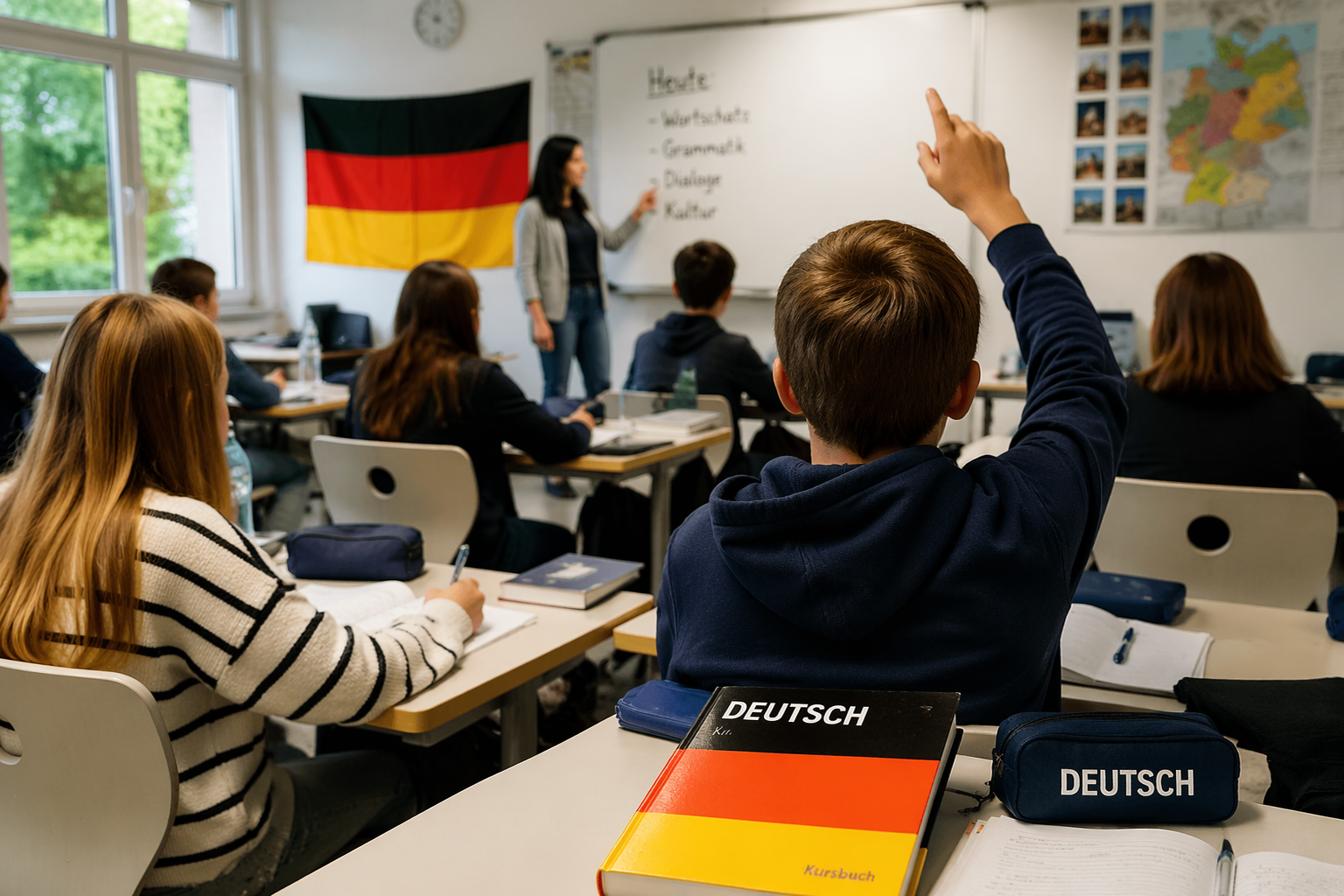
- German schools in Spain are experiencing sustained growth in demand
- In many cases, waiting lists for places are becoming the norm
At the same time, foreign residents in Spain — from a wide range of nationalities — are also increasingly enrolling their children in German schools. Their goal is clear: to raise them with three languages from an early age — their native language, German, and Spanish.
This strategy is particularly effective because Spanish remains a strong core subject in German schools in Spain, and in many cases more than half of the students are Spanish. As a result, children are naturally immersed in the language, ensuring that their Spanish development is not only maintained but strengthened alongside German and their mother tongue.
The real question is no longer whether one should learn German.
Is learning German worth the effort and sacrifice? Absolutely — the data speaks for itself.
The strength of the DACH region (German-speaking countries in Europe) makes it a clear investment in the future.