For centuries, 11 November marked the start of the pig-slaughtering season across rural Spain. The household matanza has all but vanished, but it survives in one of the country’s best-loved proverbs – and in dozens of village festivals that keep the ritual alive from November to March.
A proverb with teeth
When a crooked politician is finally charged or a bullying boss is shown the door, Spaniards have a phrase ready: “A cada cerdo le llega su San Martín” – every pig gets its St Martin’s Day. The British might say the chickens have come home to roost.
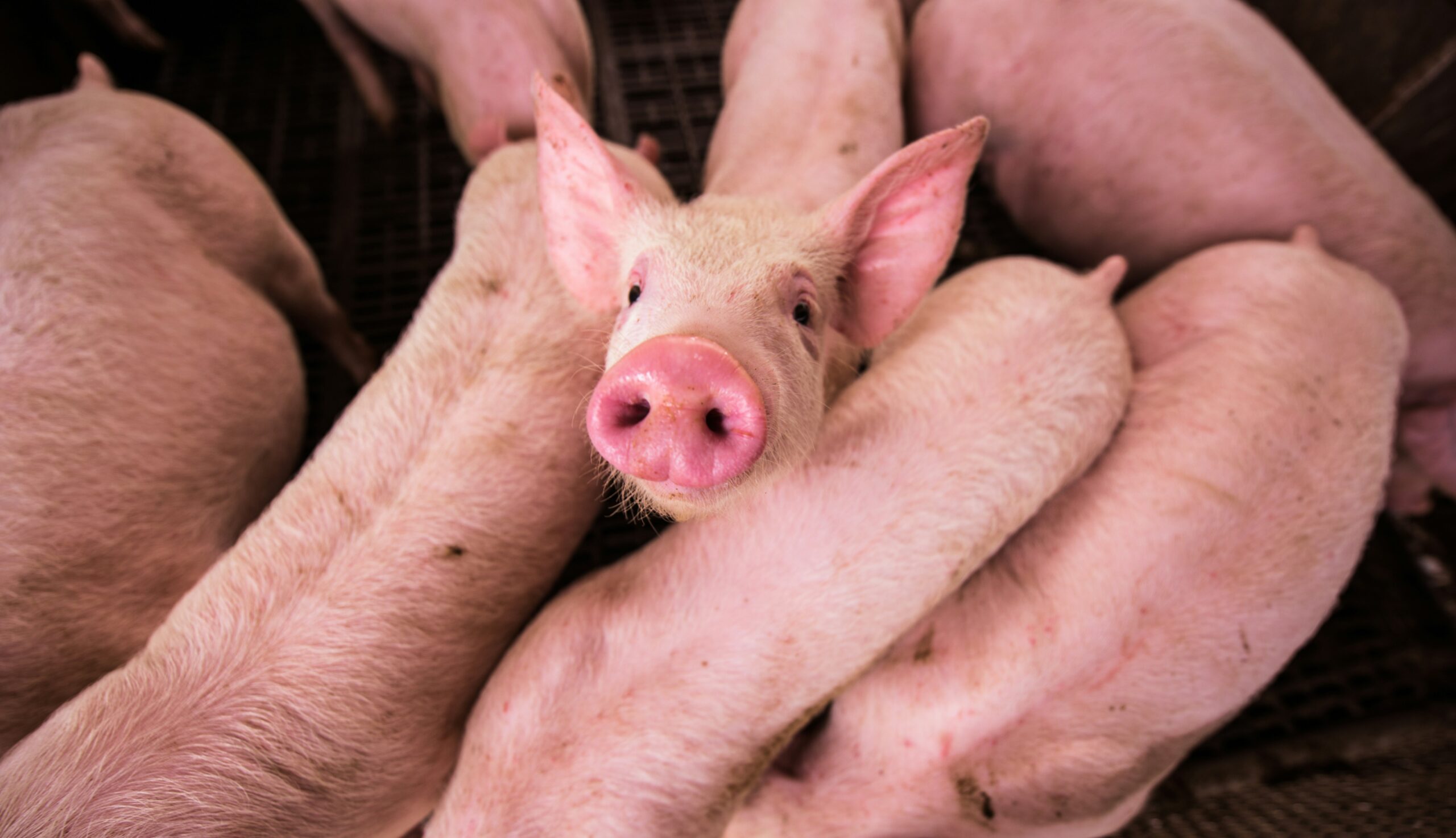
The origin is grimly literal. The feast of St Martin of Tours, on 11 November, traditionally opened the slaughter season in Spain’s villages. After months of fattening on acorns, chestnuts and kitchen scraps, the household pig’s days were numbered.
The saying is centuries old. It appears in Spanish proverb collections of the 16th century as “a cada puerco le viene su San Martín”, and Cervantes put a version of it in the mouth of Don Quixote. It later crossed the Atlantic: in Argentina it is “a cada chancho le llega su San Martín”, and many there wrongly assume it refers to the independence hero General José de San Martín.
Why St Martin?
British readers may find the date oddly familiar. Martinmas was once a fixture of the English and Scottish calendar too: a quarter day, a time for hiring fairs and settling rents, and the moment to slaughter livestock that could not be fed through the winter. “Martlemas beef”, salted or smoked, saw many households through to spring.
In Spain, the logic was the same. Mid-November brings the first frosts, and cold weather was essential to keep the meat from spoiling while sausages were made and hams cured. The pig, fattened through the autumn, had reached its ideal weight.
In practice, the season ran well beyond a single day, stretching from November to March depending on the local climate and family custom. St Martin’s Day simply fired the starting gun.
Work, food and the whole village
For generations, the matanza was one of the most important days in the rural year – less a chore than a social ritual. Relatives, neighbours and friends gathered before dawn and the work was shared out: some handled the slaughter and butchery, others washed the casings, minced the meat, seasoned it and stuffed the sausages.
A single pig could fill the larder for most of the year: hams (jamón) and shoulders (paleta) to cure; lomo, the air-dried loin; chorizo, coloured and flavoured with paprika; salchichón, a salami-style sausage; morcilla, black pudding often made with rice or onion; bacon and lard. Nothing went to waste.
The reward came at the table. Tradition called for pruebas – “tasters” of freshly fried sausage meat to check the seasoning – followed by liver and onions, migas (fried breadcrumbs) or a communal stew, washed down with wine and music.
From the 1960s onwards the household matanza went into decline, a casualty of rural depopulation, changing diets and, above all, tighter hygiene and animal-welfare rules. Today it is heavily regulated and, in many places, permitted only on set days and under strict conditions. Rather than disappear, however, the tradition has reinvented itself as a festival.
Where to see a matanza today
Every winter, dozens of Spanish towns and villages stage recreations of the traditional matanza, usually with a master of ceremonies explaining each stage, sausage-making demonstrations, tastings and folk music. For squeamish visitors, the emphasis at most events is now on the butchery and cooking rather than the slaughter itself.
Salamanca: the matanza capital
The province of Salamanca has become the heartland of the revival. Its provincial council runs an annual Circuito de la Fiesta de la Matanza Tradicional, which in its ninth edition (2025–26) took in almost a hundred villages, with events nearly every weekend between November and March. Visitors come from Madrid, northern Spain and across the border in Portugal. Highlights include:
- La Alberca, one of the prettiest villages in the Sierra de Francia, which holds its Fiesta de la Matanza Ibérica in February.
- Candelario, which pairs its matanza with the mid-January feast of St Anthony, patron saint of animals.
- Ciudad Rodrigo, whose Feria de Botijeros fills the Plaza del Buen Alcalde in early March.
- Smaller villages such as Mancera de Abajo, Paradinas de San Juan and Almenara de Tormes, where the pipe-and-drum music and communal lunches feel especially authentic.
Extremadura: Llerena’s matanza with a past
In the south of Badajoz province, Llerena hosts the Matanza Tradicional Extremeña y Feria del Embutido, officially recognised as a festival of regional tourist interest. Held each March in the Plaza de España, it carries a striking historical backstory: it is linked to the conversos, Jews who converted to Christianity after the expulsion of the late 15th century and slaughtered pigs in public to prove their new faith. Today it is a celebration of the Iberian pig, complete with Extremaduran folklore and tastings.
Castile
- Fresno de Cantespino (Segovia) has held its matanza festival in late February for more than a decade, with chorizo, morcilla and suckling lamb (lechazo) roasted in a wood-fired oven.
- San Leonardo de Yagüe (Soria), deep in the pine forests of the Pinares district, has staged its February matanza days for more than a quarter of a century.
- In La Jara, near Toledo, villages such as Santa Ana de Pusa and Aldeanueva de Barbarroya keep the custom alive with vast communal lunches.
Valencia and Majorca
- Zarra (Valencia) holds an autumn Feria de la Matanza, a family affair of food and crafts, while nearby Gátovacelebrates its Matapuerco in winter.
- On Majorca, the matances remain one of the island’s most cherished rural traditions. The star is sobrasada, the island’s soft, spreadable paprika sausage, alongside botifarró, and the day almost always ends with a feast and dancing.
Before you go
Dates change every year and are usually announced in the autumn by town halls and provincial councils. Check the local council’s website – or that of the Diputación de Salamanca, which typically unveils its programme in November – before travelling. Most events are free, and a little Spanish goes a long way at the communal table.
A taste of another Spain
The matanza is a window on how rural Spain once lived: planning ahead, wasting nothing and doing it together. Few families still hold one at home, but the proverb keeps the memory alive every time someone gets their comeuppance. And each 11 November, St Martin still signals that it is time to light the fire, set up the long table and welcome the winter.