Third consecutive decline: The number of suicide deaths in Spain fell to 3,808 last year. Following the peak recorded in 2022, this marks a continued downward trend. The Spanish government has described the development as encouraging, but says it will continue to expand suicide prevention efforts.
Spain Expat Press Editorial Team
by Marlon Gallego Bosbach
The number of people who died by suicide in Spain fell again in 2025. According to provisional data from Spain’s National Statistics Institute (Instituto Nacional de Estadística, INE), 3,808 suicides were recorded last year. This marks the third consecutive year in which the number has declined.
The development is particularly noteworthy given that Spain reached a record high of 4,227 registered suicide deaths in 2022. Since then, the number has fallen steadily.
3,808 deaths – 145 fewer than the previous year
In 2024, Spain recorded 3,953 suicide deaths. In 2025, the figure fell to 3,808. This represents a decrease of 145 cases, or around 3.7 per cent.
This continues a trend that began in 2023. In 2021, 4,003 deaths by suicide were recorded. A year later, the figure rose to 4,227, reaching its highest level to date. In 2023, the number fell to 4,116, followed by a further decline to 3,953 cases in 2024. For 2025, Spain’s National Statistics Institute (INE) has provisionally recorded 3,808 deaths.
Since the peak in 2022, the number has fallen by 419 deaths, or just under 10 per cent. Spain’s Ministry of Health views the development as broadly positive. At the same time, it warns against drawing the premature conclusion from the declining figures that the problem has been solved.
Health Minister describes the development as “hopeful”
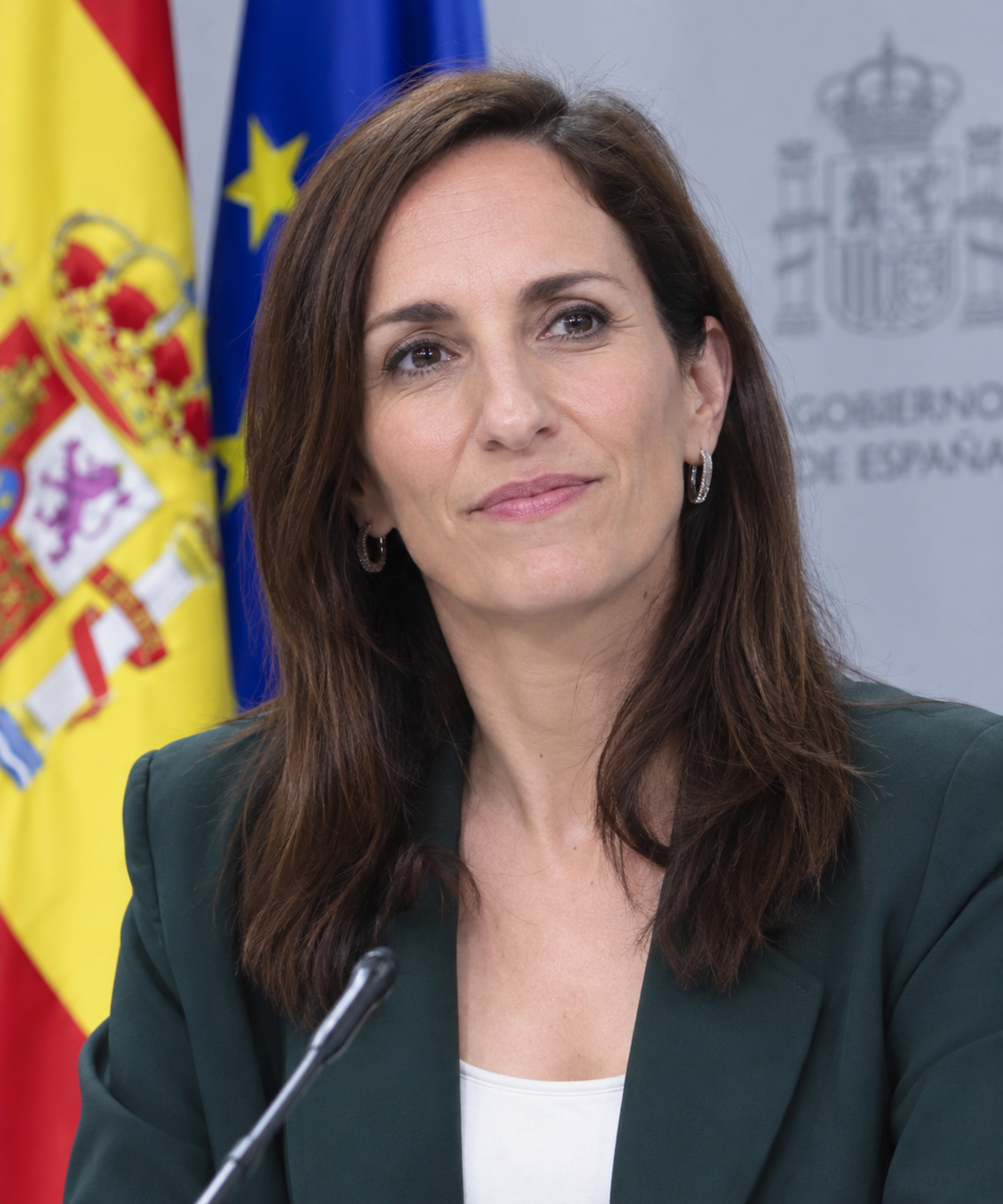
Health Minister Mónica García described the continued decline as a “hopeful” development. At the same time, she stressed that suicide remains a complex societal and public health issue influenced by numerous factors.
The decline in the figures is therefore no reason to ease up on prevention efforts. Instead, the development should be used as an opportunity to further strengthen existing measures and reach people at risk as early as possible.
World Suicide Prevention Day on 10 September is therefore focused in Spain on prevention and improving the recording of cases.
Men continue to be significantly more affected
Behind the overall figure lies a significant difference between men and women. The final figures for 2024 already showed that men are considerably more likely to die by suicide than women. Of the 3,953 cases, around 2,900 involved men, while just over 1,000 involved women.
The difference between the sexes has been a characteristic feature of Spain’s suicide statistics for years. Experts therefore also see a need for targeted prevention measures that take different risk groups and life circumstances into account.
Suicide remains one of the leading external causes of death
Despite the decline, suicide remains one of the leading causes of death from external causes in Spain. According to the INE, a total of 19,042 deaths from external causes were recorded in 2025. Falls accounted for the largest number, with 4,814 deaths. This was followed by drowning, submersion and suffocation, with 3,899 cases. Suicide ranked third, with 3,808 deaths.
By comparison, significantly fewer people died in road traffic accidents in the same year. The figures highlight why the issue remains a high priority for Spanish health policy.
Spain plans to establish a national suicide registry
Alongside the decline in the number of deaths, the Spanish government is working on another important measure: a national suicide registry. The aim is to better bring together information from different sectors and develop as accurate a picture as possible of the situation across the country.
So far, information on suicides has come from sources including official mortality statistics, as well as medical and forensic records. A more standardised nationwide system should make it possible to identify trends more quickly and target prevention measures more effectively in the future.
The planned registry is part of a broader approach to monitoring and improving mental health in Spain.
From statistics to prevention
Spanish authorities are not only interested in knowing how many people die by suicide. The crucial question is also why certain groups are more affected and where prevention efforts can be most effective.
An improved data system could, for example, help to examine regional differences, age groups and other risk factors in greater detail. The idea is that the sooner changes are identified, the sooner appropriate support services and prevention measures can be adapted.
The suicide prevention action plan
Spain has expanded its suicide prevention measures in recent years. A key element is the Suicide Prevention Action Plan 2025–2027. Among other things, it aims to reach people at risk earlier, provide better training for professionals, and improve cooperation between the healthcare system, social services and other organisations involved.
Support for family members and loved ones also plays an important role. Suicide affects not only the person who dies, but often leaves long-term psychological and social consequences for family members and friends.
2022 marked the peak to date
The current trend becomes particularly clear when looking at the figures from recent years. In 2022, 4,227 suicides were recorded in Spain. This was the highest figure in this recent statistical series.
Since then, the number has fallen each year. In 2023, 4,116 cases were recorded, followed by 3,953 in 2024 and 3,808 in 2025. This represents a continuous decline over three consecutive years. However, it is not yet possible to determine conclusively whether this represents a long-term structural trend. The coming years will show whether the decline continues.
It should also be noted that the figures for 2025 are still provisional. The final figures may therefore change slightly.
Why the decline does not mean the problem is over
The declining figures are undoubtedly positive news. At the same time, it would be wrong to conclude from them that mental health crises have disappeared or become significantly less common in Spain overall.
The statistics record deaths. They do not directly capture the number of people experiencing suicidal thoughts, mental health crises or suicide attempts. This is another reason why Spanish health policy is increasingly focusing on prevention, early intervention and improved mental health services. The key approach is to reach people as early as possible, before they reach an acute crisis.
A development with two sides
The new figures therefore paint an ambiguous picture. On the one hand, there is a clearly positive development: the number of suicide deaths has fallen steadily since 2022. In 2025, 3,808 cases were recorded – the lowest figure in recent years.
On the other hand, the absolute number remains high. Thousands of people lose their lives each year. Behind every single figure are family members, friends and loved ones whose lives are profoundly affected. For the Spanish government, the decline therefore means above all that existing prevention measures should be continued and improved – not that the work is over.
Spain focuses on better data and increased prevention
With the planned national suicide registry, Spain is seeking to take another step forward. Better data should help identify developments at an early stage. Prevention programmes can then be targeted more effectively. And mental health can be given greater recognition as an integral part of public healthcare.
The latest figures at least provide a hopeful starting point. The 3,808 deaths recorded in 2025 are 145 fewer than in the previous year and 419 fewer than at the peak in 2022. However, it will only become clear in the coming years whether this marks a lasting turning point.