The military escalation in the Middle East has opened an unexpected diplomatic front — and Spain now finds itself directly involved. Following US and Israeli strikes on Iran and the widening tensions towards Lebanon, US President Donald Trump has sharply criticised the Spanish government.
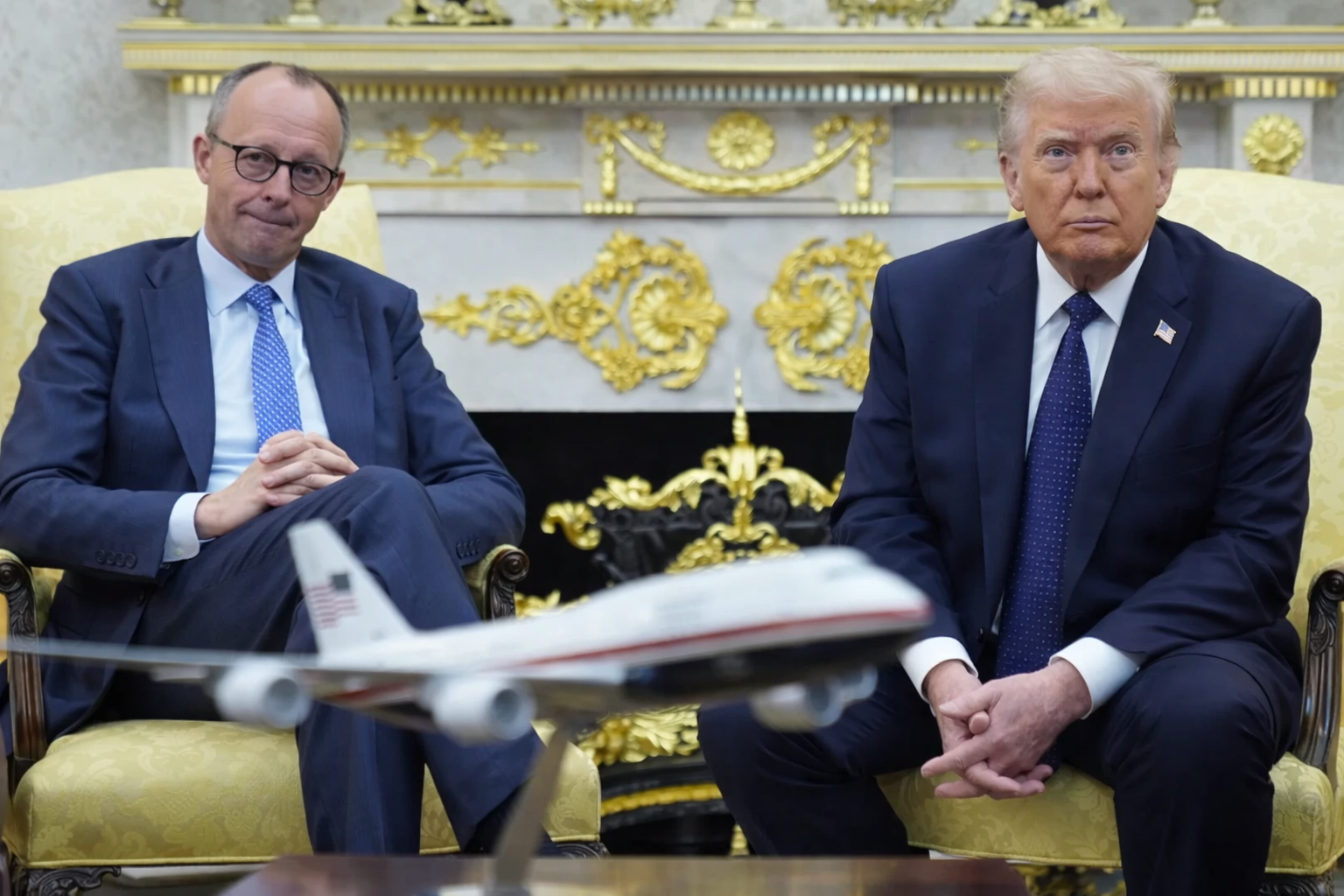
Speaking at the White House during a meeting with German Chancellor Friedrich Merz, Trump described Spain as “a terrible ally”. The remarks come after Madrid declined to authorise the use of the military bases at Base Aérea de Morónand Base Naval de Rota for offensive operations linked to the Iran campaign.The US President went further, publicly raising the possibility of severing trade ties with Spain. “We could cut off all dealings with Spain today,” he told reporters in the Oval Office, even suggesting potential embargo measures.
Spain Press Editorial Team
What could this mean for Spain?
For international residents, investors and businesses operating in Spain, the key question is whether these comments amount to political rhetoric — or a genuine economic threat.
The United States is a significant trading partner for Spain. A sudden breakdown in relations could affect:
-
Spanish exports to the US
-
Bilateral investment flows
-
Financial market stability
-
Energy prices
Economists are already warning that the geopolitical escalation could push oil prices towards 100 dollars per barrel. Should that threshold be crossed, Spain — heavily dependent on imported energy — could face renewed inflationary pressure.
Spain’s stance in the conflict
Madrid has emphasised its commitment to international law and has expressed reservations about participating in military operations without a clear mandate. While the bases at Morón and Rota form part of bilateral defence agreements within the NATO framework, their use for offensive action requires political authorisation.
In contrast to countries such as Germany, which have signalled firm support for Washington, Spain has opted for a more cautious and diplomatically measured position.
Europe between solidarity and strategic autonomy
The European Union has declared itself “ready to defend” its territory amid rising security concerns, particularly in the eastern Mediterranean. Yet the latest developments highlight differing approaches within Europe regarding the extent of involvement in the conflict.
For Spain, the stakes are considerable — economically, politically and strategically.