Spain is far more than sunshine, beaches and tapas. To understand the country properly, one must look at its regions, history, languages, climates and local traditions. Spain is not a single cultural block, but a country shaped over centuries by many different influences.
Spain Expat Press Editorial Team
Spain is one of Europe’s most visited countries, yet it is also one of the most easily simplified from abroad. For many people, the first images that come to mind are Madrid, Barcelona, Mallorca, Andalusia or the Costa del Sol. But Spain is far more complex than that. The country is made up of 17 autonomous communities and two autonomous cities, Ceuta and Melilla, on the North African coast. Each region has its own landscapes, culinary traditions, historical identity and, in some cases, its own official language.
This diversity is not accidental. It is the result of a long history shaped by Roman rule, the Visigoths, Islamic Al-Andalus, the Christian Reconquista, a global empire and deeply rooted regional traditions.
A Country Shaped by History: Romans, Visigoths, Moors and Empire
To understand Spain, one must also understand its history. Few European countries have been shaped by so many cultures and turned that legacy into such a strong national and regional identity. Phoenicians, Greeks and Carthaginians all left traces on the Iberian Peninsula. Yet the Roman influence was especially profound. Hispania became an important part of the Roman Empire, with cities, roads, aqueducts, theatres and administrative structures that left a lasting mark. Latin also became the foundation for the later Romance languages of the peninsula, including Spanish, Catalan and Galician.
After the fall of the Western Roman Empire, the Visigoths ruled much of the Iberian Peninsula. Their kingdom, centred on Toledo, played an important role in the formation of a Christian political order. In 711, the Islamic conquest opened a new era: Al-Andalus. For centuries, parts of Spain became home to sophisticated cities, trading centres, palaces, irrigation systems, libraries and centres of learning. Córdoba, Granada and Seville still bear witness to that period.
The so-called Reconquista — the gradual Christian reconquest of Muslim-ruled territories — did not last a few generations, but almost eight centuries, from 711 until the fall of Granada in 1492. That long experience of conflict, coexistence, frontier life, religious identity and political fragmentation deeply shaped Spain’s character. It also helps explain why regional identities, loyalties, pride and historical memory still matter so much today.
The year 1492 became a turning point in Spanish history. Granada fell, the Catholic Monarchs Isabella of Castile and Ferdinand of Aragon consolidated their dynastic power, and Christopher Columbus reached the Americas under the Spanish Crown. Over the following centuries, Spain built one of the largest empires in history. Its territories extended across the Americas, Europe, Africa and Asia. The phrase that the sun never set on the Spanish Empire captured this global reach: at different moments, Spanish rule stretched from Mexico to Peru, from the Philippines to parts of Italy and the Low Countries.
That past is still visible today. Spain is a modern European democracy, but its sense of history runs deep. Many Spaniards are open, warm, humorous and sociable, yet also deeply proud of their history, their region, their festivals and their local customs. Traditions are not merely preserved; they are carefully nurtured. Processions, fairs, folk festivals, traditional dress, music, dance, local cuisine and religious rituals remain part of the annual rhythm in many towns and villages.
Few countries in Europe can match Spain’s folkloric variety in such a compact territory. Andalusian flamenco, Basque dances, Galician bagpipe music, Catalan castells, Valencian Fallas, Castilian Holy Week processions, Canarian romerías, Asturian cider culture and Mallorcan village festivals all show that Spanish tradition is not a museum piece. It is lived, celebrated and passed on.
A Country of 17 Autonomous Communities
Spain is politically and territorially divided into 17 autonomous communities: Andalusia, Aragon, Asturias, the Balearic Islands, the Basque Country, the Canary Islands, Cantabria, Castile-La Mancha, Castile and León, Catalonia, Extremadura, Galicia, La Rioja, Madrid, Murcia, Navarre and the Valencian Community. It also includes the two autonomous cities of Ceuta and Melilla in North Africa.
This regional structure matters because Spain is a highly decentralised country. Education, healthcare, culture, tourism, taxation and public administration can vary from one region to another. For foreigners living in Spain, investing in property or planning a move, this is essential: what applies in Andalusia may not apply in exactly the same way in Catalonia, Madrid or the Balearic Islands.
Regional identity is also central to Spanish culture. Many people feel not only Spanish, but also strongly Andalusian, Basque, Galician, Catalan, Valencian, Asturian or Mallorcan. This is not a decorative detail. It is one of the keys to understanding the country.
Madrid: Capital, Power Centre and Melting Pot
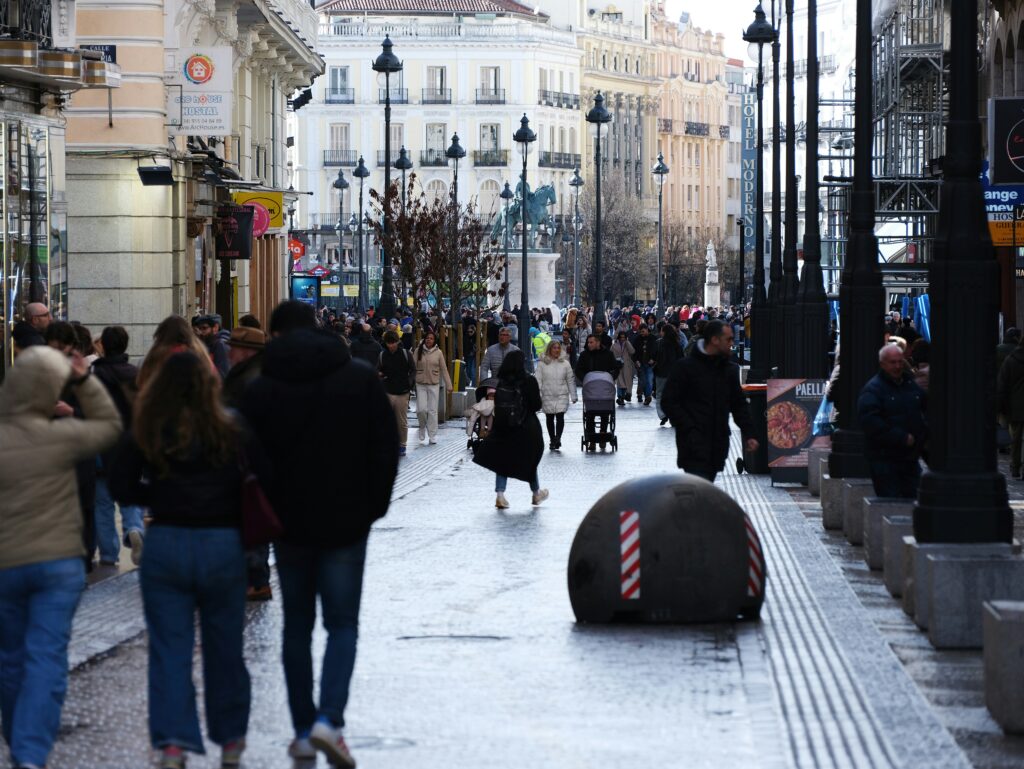
Madrid sits at the heart of Spain and is the country’s capital. It is the political, economic and cultural centre of the nation, home to the government, parliament, monarchy, major companies, media organisations and many international institutions.
Madrid is less regionally defined than some other parts of Spain. It attracts people from across the country, giving it a more open, direct and metropolitan character. At the same time, for many Spaniards it symbolises the central state, a point that has historically mattered in regions with strong identities of their own, particularly Catalonia and the Basque Country.
Culturally, Madrid offers some of Europe’s most important museums, including the Prado, the Reina Sofía and the Thyssen-Bornemisza. Its food culture includes cocido madrileño, calamari sandwiches and a lively tapas scene.

Andalusia: Sun, History and Strong Identity
Andalusia is Spain’s most populous autonomous community and, for many foreigners, the source of the classic image of Spain: white villages, flamenco, olive groves, bullfighting traditions, Moorish palaces, heat and a vibrant street life. Yet Andalusia is far more than a cliché.
The region was deeply shaped by Arab-Islamic culture over many centuries. Cities such as Córdoba, Granada and Seville still recall the age of Al-Andalus. The Alhambra in Granada, the Mezquita in Córdoba and the Alcázar of Seville are among Europe’s great historical monuments.
Andalusia also offers strikingly varied landscapes: the beaches of the Costa del Sol, the mountains of the Sierra Nevada, the vast olive groves of Jaén, the Atlantic coast of Cádiz and Huelva, the desert landscapes of Almería and the historic cities of the interior. Summers can be extremely hot, particularly in the Guadalquivir Valley, where Seville, Córdoba and Jaén regularly exceed 40C.
Its cuisine is based on olive oil, gazpacho, salmorejo, fried fish, Iberian ham and tapas. Andalusia is also the heartland of flamenco, which is not merely music or dance, but a deeply emotional form of cultural expression.

Catalonia: Economy, Language and European Outlook
Catalonia, in north-eastern Spain, is one of the country’s strongest economic regions. Barcelona is one of Europe’s best-known cities, famous for architecture, design, gastronomy, beaches, creativity and international trade fairs.
Catalonia has its own language, Catalan, which is official alongside Spanish. For many Catalans, language is central to identity. Questions of regional autonomy and independence have shaped Spanish politics for years.
The region stretches from the Costa Brava and Barcelona to the Pyrenees. It combines Mediterranean life with industrial tradition, strong local identity and a distinctly European outlook.
Catalan cuisine includes pa amb tomàquet, escalivada, crema catalana, fish dishes, cured meats and one of the most sophisticated restaurant scenes in Spain. Some of the country’s most innovative chefs have come from Catalonia.

Valencia: Paella, the Mediterranean and Its Own Language
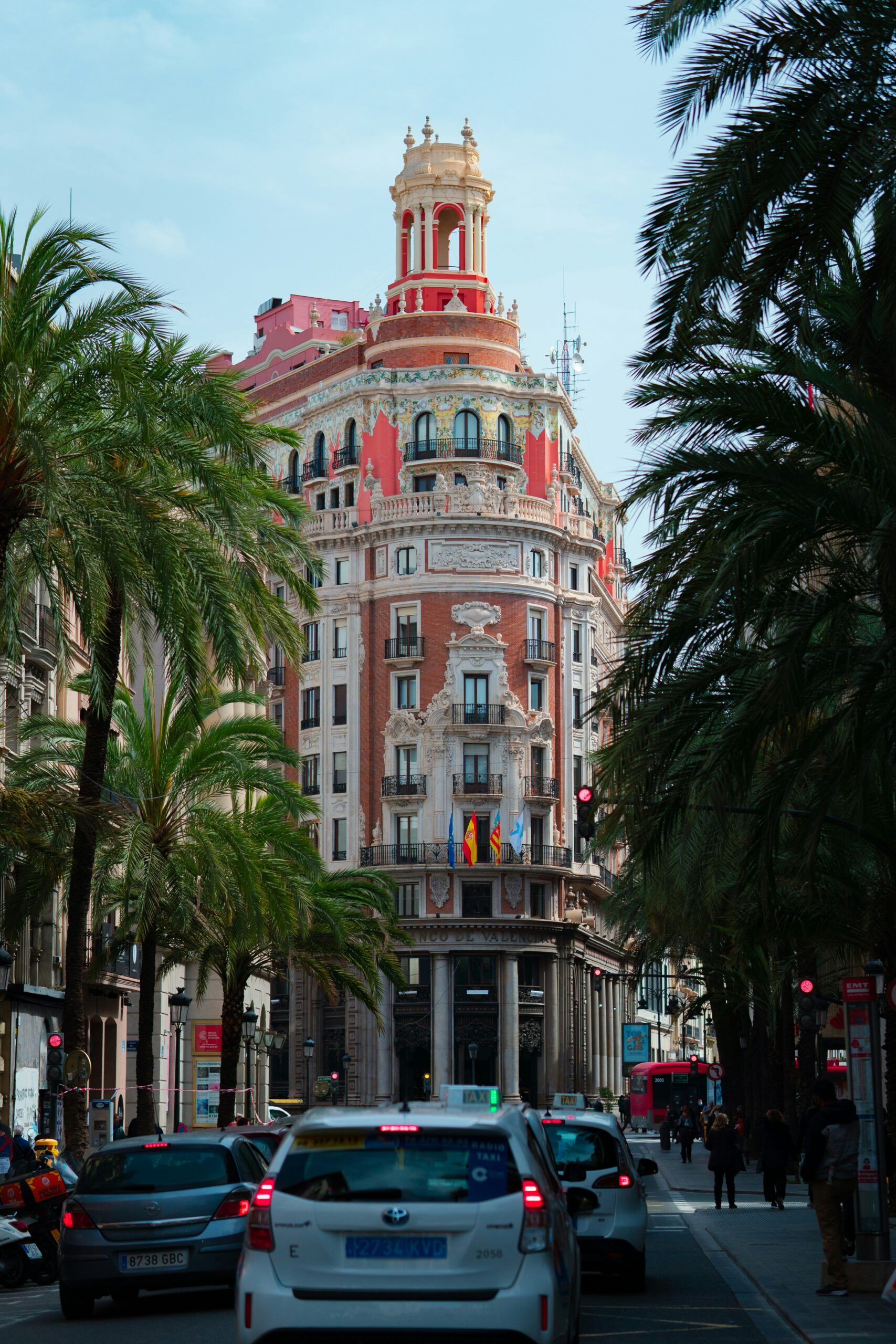
The Valencian Community lies on Spain’s Mediterranean coast and includes the provinces of Castellón, Valencia and Alicante. It is popular with tourists, foreign residents and property buyers, while the city of Valencia has become one of Spain’s most liveable and dynamic urban centres.
Alongside Spanish, Valencian is spoken in the region. It is a variety of Catalan and forms part of local identity, although the politics around it are often discussed differently from in Catalonia.
Valencia is best known internationally for paella. Crucially, the classic paella valenciana is not simply “rice with everything”, but traditionally a dish made with rice, chicken, rabbit, green beans and sometimes snails. Seafood paella is widely found in tourist areas, but it is not the original version.
The region is also known for oranges, rice fields, horchata, fideuà and major festivals, above all Las Fallas in Valencia.

The Basque Country: Industry, Identity and World-Class Food
The Basque Country in northern Spain is one of Europe’s most culturally distinctive regions. The Basque language, Euskera, is unrelated to any major European language and is central to regional identity.
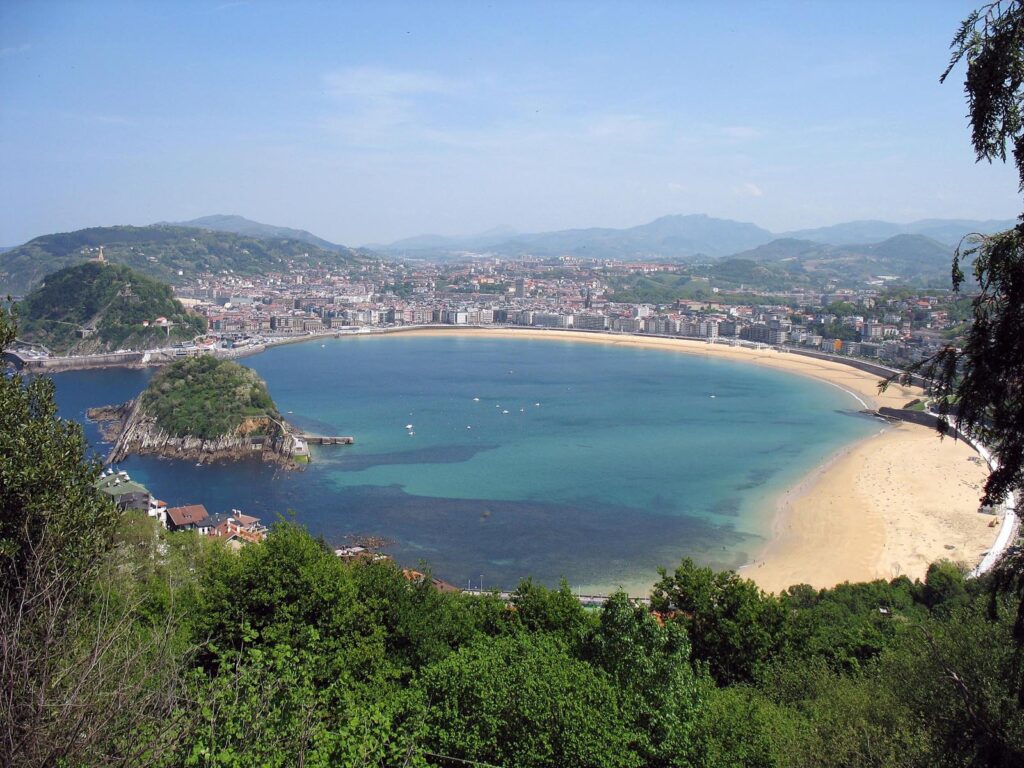
Bilbao, San Sebastián and Vitoria-Gasteiz are its main cities. Bilbao has transformed itself from an industrial centre into an international hub for culture and architecture, thanks in part to the Guggenheim Museum. San Sebastián is widely regarded as one of Europe’s culinary capitals.
Basque cuisine is world famous. Pintxos, bacalao, txangurro, Idiazabal cheese, txakoli wine and the extraordinary concentration of top restaurants make the Basque Country a destination for serious food lovers.
The climate is wetter and greener than in southern Spain. Atlantic influences bring milder temperatures, more rain and landscapes that can feel closer to Ireland or south-western France than to the dry Spain imagined by many visitors.
Galicia: Atlantic Spain, Pilgrimage Routes and Celtic Echoes
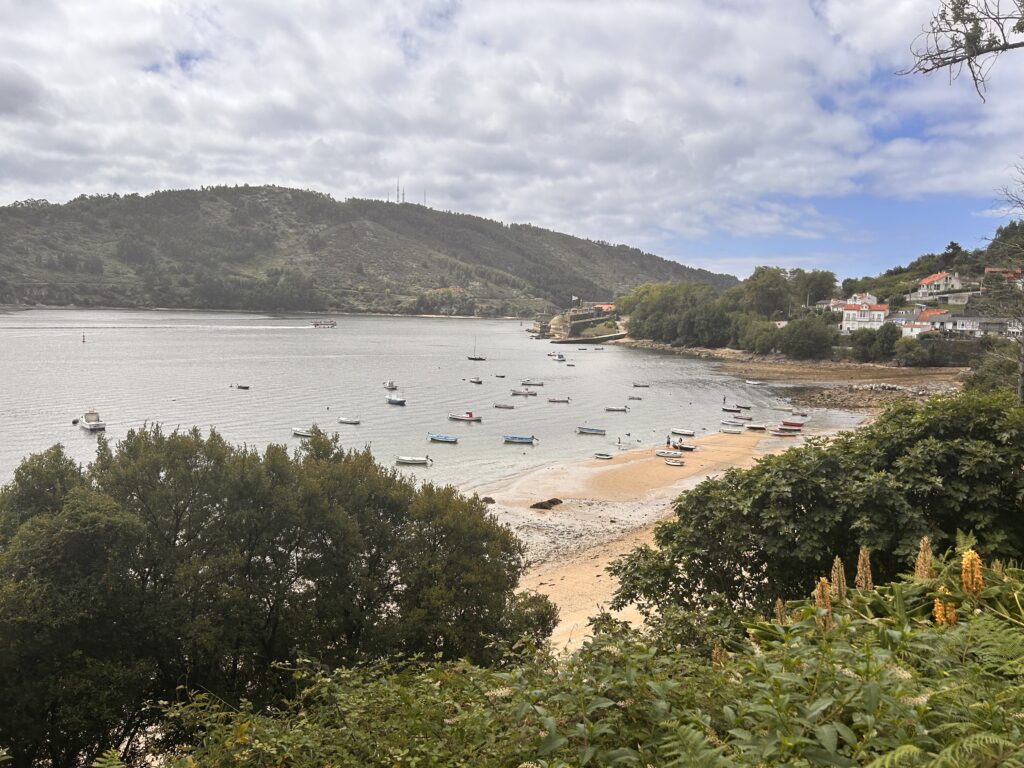
Galicia lies in Spain’s north-west and is one of the country’s most distinctive regions. It is green, rainy, Atlantic and deeply shaped by the sea, fishing and emigration. Galician, or galego, is official alongside Spanish and is closely related to Portuguese.
Santiago de Compostela is the region’s spiritual centre and the destination of the famous Camino de Santiago. But Galicia is not only about pilgrimage routes. Its coastline, with rías, fishing villages, cliffs and islands, is among the most dramatic in Spain.
Galician cuisine is known for pulpo a feira, seafood, empanada gallega, Padrón peppers, Albariño wine and high-quality, straightforward cooking. It is less theatrical than some regional cuisines, but intensely focused on ingredients.
Asturias, Cantabria and La Rioja
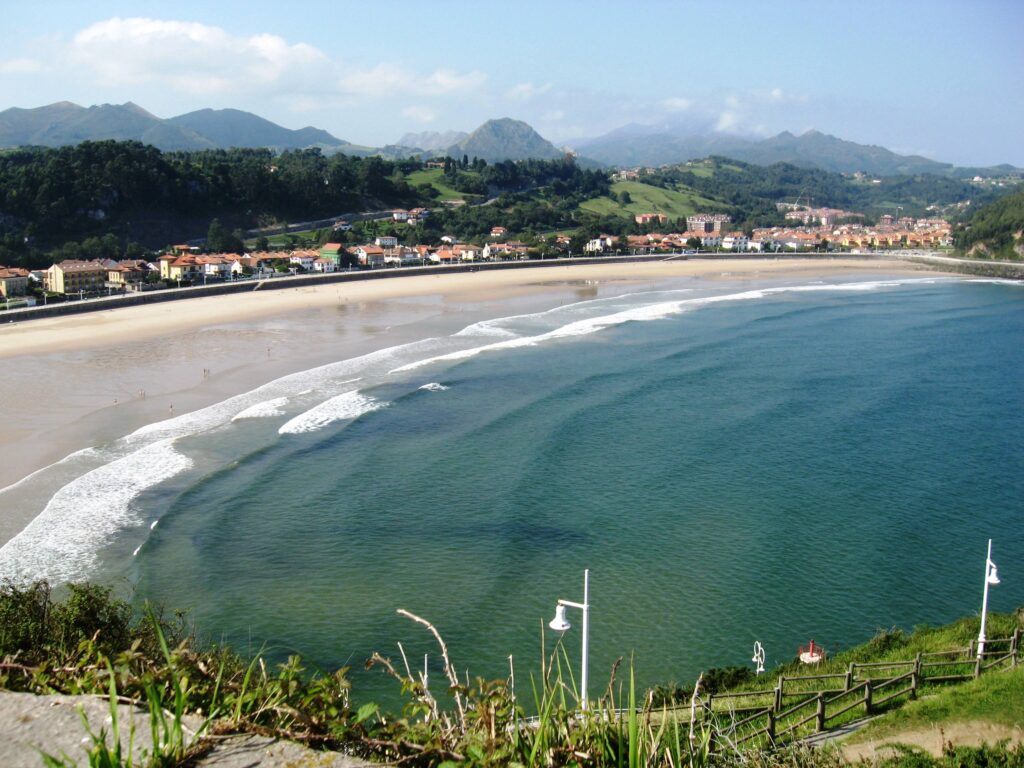
Asturias and Cantabria form part of what is often called “Green Spain”. Here, mountains, pastures, rugged coastlines, rain, cider, cheese and a very different atmosphere from the Mediterranean dominate.
Asturias is known for cider, fabada asturiana, Cabrales cheese and the Picos de Europa. Cantabria offers wild beaches, prehistoric cave art, Santander and a striking mix of sea and mountains. Both regions are popular summer destinations for Spaniards because the climate is milder than in the south.
La Rioja, though small, is world famous for wine. The region is one of the centres of Spanish wine culture and combines rural tradition with high-quality tourism.
Castile: Spain’s Historic Heartland
Castile and León and Castile-La Mancha cover large parts of Spain’s interior. Here one finds vast plains, medieval cities, castles, cathedrals, monasteries and a deeply rooted Castilian identity. The Spanish language itself originated in this historical region, which is why Spanish is still often referred to as Castilian — castellano in Spanish. The term recalls the language’s development from the medieval Kingdom of Castile before it became the common language of the Spanish state.
Castile and León includes cities such as Salamanca, León, Burgos, Valladolid, Segovia and Ávila. The region is historically significant and is regarded as one of the cradles of Castilian language and monarchy.
Castile-La Mancha is closely associated with Don Quixote, windmills, open plains, saffron, cheese and rural tradition. Toledo, Cuenca and Almagro are among its cultural highlights.
The climate of Spain’s interior is continental, with hot summers, cold winters and large differences between daytime and night-time temperatures.

The Islands: Balearics and Canaries
The Balearic Islands consist of Mallorca, Menorca, Ibiza and Formentera. Each island has its own personality. Mallorca ranges from mass tourism to mountain villages, vineyards and luxury property. Menorca is quieter and more nature-focused. Ibiza is internationally known for nightlife, but also for rural areas and alternative lifestyles. Formentera stands for beaches, simplicity and exclusivity.
Catalan is official alongside Spanish in the Balearics, where language is also part of local identity.
The Canary Islands lie off the coast of north-west Africa and have a subtropical climate. Tenerife, Gran Canaria, Lanzarote, Fuerteventura, La Palma, La Gomera, El Hierro and La Graciosa differ greatly from one another. Volcanic landscapes and year-round mild temperatures make the Canaries especially popular with long-stay visitors, digital nomads and retirees.

Climate: Spain Is Not Hot Everywhere
One of the great misconceptions about Spain is that the climate is the same everywhere. In reality, the country has several climate zones.
On the Mediterranean coast, summers are hot and dry, while winters are mild. This applies to regions such as Valencia, Murcia, Catalonia, the Balearic Islands and much of Andalusia. Inland, the climate is continental, with very hot summers and cold winters. Madrid can be extremely hot in summer and surprisingly cold in winter.
The north is Atlantic. Galicia, Asturias, Cantabria and the Basque Country are greener, wetter and milder. There is far more rain, but summers are generally more comfortable.
The Canary Islands have their own climate, with mild temperatures throughout the year. They are often considered among the most pleasant climates in Europe.
Anyone planning to move to Spain should look closely at the climate. A summer in Seville is entirely different from a summer in Santander. A winter in Madrid cannot be compared with a winter in Málaga. And knowing the Costa del Sol does not mean knowing the whole of Spain.
Languages: Spanish Is Not Spain’s Only Language
Spanish, also known as Castilian, is the official language of the state. But Spain is linguistically diverse. Several autonomous communities have additional official languages: Catalan in Catalonia and the Balearic Islands, Valencian in the Valencian Community, Galician in Galicia, Basque in the Basque Country and parts of Navarre, and Aranese in the Aran Valley in Catalonia.
For visitors, this is rarely a major difficulty, as Spanish is widely understood. For those living longer in certain regions, however, the local language may matter, especially in education, administration, official documents and cultural life.
In Catalonia, Galicia and the Basque Country in particular, the regional language should not be seen as a dialect or a folkloric curiosity. For many people, it is a central part of identity.
Food: Spain Eats Regionally
There is no single Spanish cuisine in the strict sense. Rather, Spain has many regional cuisines. Tapas matter, but they do not explain the country’s food culture on their own.
In the south, olive oil, gazpacho, salmorejo, fried fish, Iberian ham and simple sun-drenched dishes dominate. Around the Mediterranean, rice, fish, seafood, vegetables and citrus fruits are central. In the north, stews, fish, seafood, cheese, meat and cider play a larger role. Inland Spain is known for heartier dishes: roasts, pulses, lamb, game and cheese.
Spain is also a major wine country. Rioja, Ribera del Duero, Rías Baixas, Priorat, Jerez, Rueda, Toro, Bierzo and many other denominations show the enormous variety of Spanish wine culture.
Meal times are different from those in many other European countries. Lunch is often the main meal of the day and takes place later than in Britain, Germany or northern Europe. Dinner often begins around 9pm or later. For newcomers, this can take some getting used to, but it is part of Spain’s daily rhythm.

Daily Life and Mentality: Family, Sociability and Flexibility
Spain is a highly social country. Family, friends, neighbours and personal contacts play an important role. Many things work through relationships, trust and direct communication. For people from more rule-driven societies, this can feel unfamiliar at first.
Punctuality, planning and bureaucracy are often experienced differently in Spain than in northern Europe. This does not mean that nothing works. Rather, many things work in a more personal, flexible and sometimes less predictable way.
Spanish society is both modern and traditional. Cities such as Madrid, Barcelona, Valencia, Málaga and Bilbao are international, digital and dynamic. At the same time, local festivals, processions, family structures and regional customs remain deeply important..

Festivals and Traditions: More Than Folklore
Spain has an exceptionally rich festival culture. Almost every town and village has its own celebrations, patron saints, processions or local traditions.
Among the best known are Holy Week in Andalusia and Castile, Las Fallas in Valencia, San Fermín in Pamplona, the Feria de Abril in Seville, La Tomatina in Buñol, the Tamborrada in San Sebastián and countless local festivals in the Balearics, Canaries and northern Spain.
These are not merely tourist events. They express local identity, religious history, family life and community. Anyone who wants to understand Spain should attend at least one regional festival not just as a spectacle, but as a window into what matters to the people who live there.

Credit Tripadvisor
City and Countryside: Two Different Spains
Spain is highly urbanised, but rural Spain remains culturally and politically important. Madrid, Barcelona, Valencia, Seville, Málaga, Bilbao and Zaragoza are modern cities with an international character.
At the same time, there is what Spaniards call España vaciada — “empty Spain”: rural inland areas suffering from depopulation, ageing populations and a lack of infrastructure. Parts of Castile, Aragon, Extremadura and Galicia are particularly affected.
This divide between dynamic coastal and metropolitan regions on the one hand and depopulated inland areas on the other shapes debates about infrastructure, housing, tourism, agriculture and regional development.
Tourism: Blessing and Challenge
Spain is one of the world’s leading tourism countries. Tourism brings jobs, investment and global visibility. Yet it also creates tensions in many regions: rising rents, crowded city centres, pressure on the housing market, environmental strain and friction between residents and visitors.
Barcelona, Mallorca, Málaga, the Canary Islands, the Balearics, Madrid, Valencia and the Costa del Sol are among the places where this debate is especially visible. Many regions are now seeking a better balance between economic benefit and quality of life for local people.
For foreign visitors and residents, this means respect for local rules, housing pressures, language and everyday culture is becoming increasingly important.

Spain for Foreigners: What to Know
Anyone moving to Spain should look beyond sunshine, property prices and the cost of living. More practical questions often matter more: Which region suits me? Which climate can I really live with? Which language is spoken locally? How do healthcare, schools, taxes, bureaucracy, rental law and the labour market work?
Spain can be a wonderful place to live. But it is not simply a holiday product. Those who see it only through the lens of beaches, holidays and lower living costs will miss much of the country’s reality.
The key point is that one does not simply live in “Spain” in the abstract, but in a specific region — Andalusia, Madrid, Galicia, Catalonia, Valencia, Mallorca, the Basque Country or the Canary Islands. Each has its own character.
Spain Is a Mosaic
Spain cannot be reduced to sunshine, beaches, flamenco or paella. It brings together the Mediterranean and the Atlantic, mountains and deserts, islands and metropolises, ancient kingdoms and modern autonomies, several languages and very different ways of life.
To understand Spain, one must look beyond the familiar holiday images and towards its regions, history and local traditions. That is where the country’s true richness lies: Spain is not one single Spain, but many Spains in one country.