Every 14 February Spain slips into a romantic mood, but in its own understated way. There are no grand theatrical gestures or exaggerated declarations of love. Affection here is usually shown in everyday life, more practical and closer to routine, and above all through time spent together. Valentine’s Day has become a pause in the calendar, a socially accepted excuse to dedicate a few hours to the people who matter.
Spain Press Editorial Team
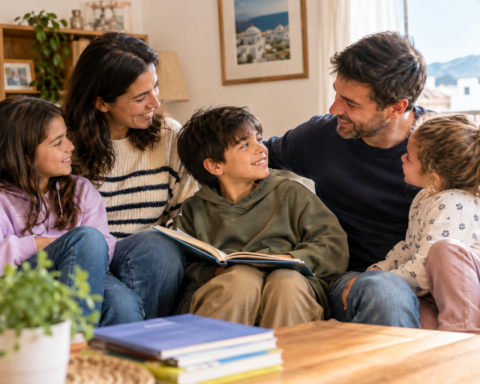
In recent years the meaning has also evolved. It is no longer an occasion reserved exclusively for lovers. Increasingly it is understood as a day of affection in general. Friendship, family bonds and fraternal love all have their place. Friends go out for dinner, siblings exchange small presents, parents spend time with their children and colleagues arrange a shared lunch. The focus is less on romance alone and more on relationships.
And above all, it celebrates Spain’s greatest passion: food. Restaurants full, tables booked days in advance, terraces crowded and kitchens working at full capacity. In many cities securing a reservation proved harder than on some public holidays, because the celebration revolves around eating well, sharing dishes and lingering long after the meal ends. The typical plan depends less on who you go with than on sitting around a table — starters to share, a special main course, dessert and a drink without watching the clock. Sharing food in Spain is a direct expression of affection.
Gifts follow the same philosophy. Flowers, chocolates, perfume and small personal tokens remain common, yet experiences are increasingly preferred: a dinner, a walk or a short getaway. The object matters less than the shared moment.
Although imported, Spain has reshaped Valentine’s Day in its own cultural image. Not a grand performance, but a simple reminder to pause daily life and care for relationships. Here affection is rarely proclaimed loudly, but it is clearly shown through time spent together.
Happy Valentine’s Day to our readers.