Commuter trains in Madrid and Catalonia are particularly affected. Long-distance and high-speed services are also restricted. Train drivers are calling for improvements to railway safety.
Spain Expat Press Editorial Team
by Marlon Gallego Bosbach
Railway services in Spain are facing significant disruption today, Thursday, due to a nationwide strike by train drivers. According to the state-owned railway company Renfe, approximately 28.6 percent of scheduled public train services failed to depart. Suburban rail services in Madrid and Catalonia are experiencing particularly severe disruptions, while long-distance and high-speed services are also affected by cancellations.
The industrial action was organized by the train drivers’ union, Semaf, and is set to last 24 hours. The union is demanding additional measures to improve railway safety, as well as the implementation of previously reached agreements. For passengers, the strike means longer wait times, cancelled services, and potential changes to their travel plans.
Madrid and Catalonia most affected
The impact is particularly evident in suburban rail services. In Madrid, 48.29 percent of the mandated minimum services on the Cercanías network were cancelled. In the Catalan Rodalies network, this figure stood at 4.61 percent; at the same time, 48.85 percent of scheduled trains there failed to depart. Consequently, both regions have been hit especially hard by these service restrictions.
Cancellations are also occurring in other parts of the country. In Andalusia, 29.41 percent of scheduled trips did not take place. Along Spain’s eastern corridor, the figure stood at 13.93 percent, while in Extremadura, 22.22 percent of the mandated minimum services were cancelled.
The figures illustrate that the impacts vary by region. Furthermore, a distinction must be made between service cancellations within the defined minimum service levels and the proportion of all scheduled trips.
Long-distance and high-speed trains also affected
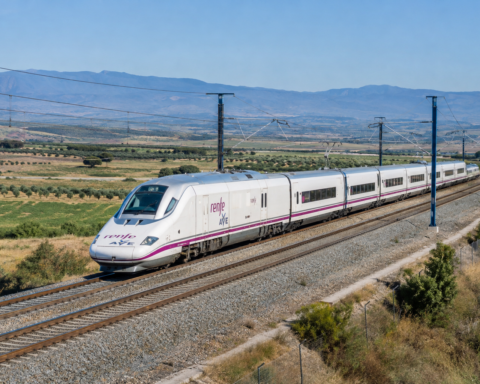
The strike is not limited to local transport. Services operated by AVE, Avlo, Alvia, Euromed, and Intercity trains are also affected. According to figures released by Renfe, six out of 48 scheduled commercial trips – even within the scope of minimum service requirements – have been cancelled. This represents a share of 12.5 percent.
The affected services include, among others, routes between Madrid and Barcelona, Madrid and Valencia, as well as connections to Figueres. Individual journeys starting or ending at stations in Alicante, Pamplona, A Coruña, Vigo, Gijón, León, and Burgos were also affected by the restrictions.
For passengers, this means they should check their connection before departure. Even if a train is listed in the timetable, last-minute changes may occur due to the disruptions.
Train drivers demand more safety
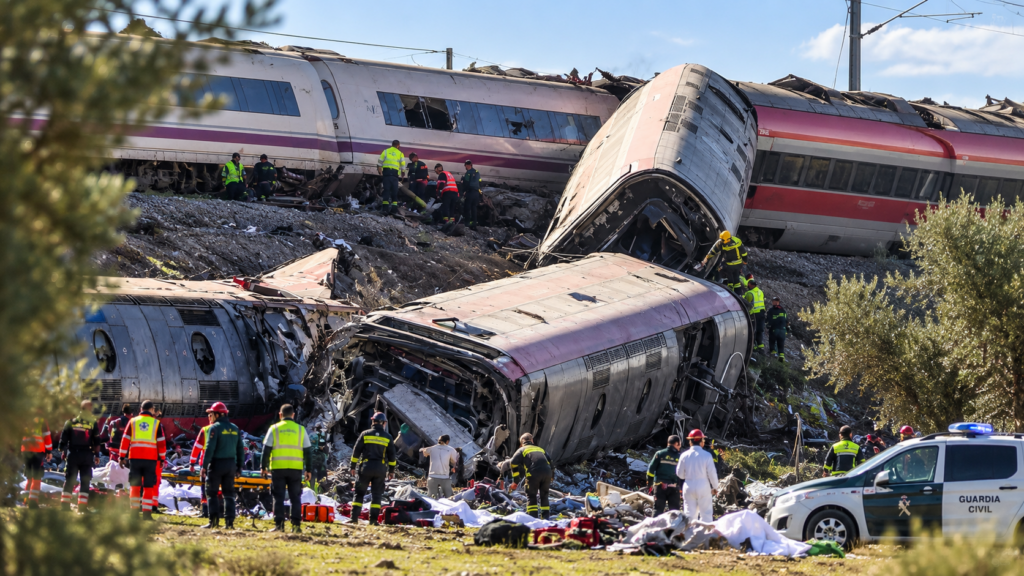
Semaf justifies the strike by citing demands for structural improvements to railway safety and the implementation of measures that have already been agreed upon. The industrial action comes against the backdrop of the train accident in Urda, in the province of Toledo.
Renfe partially rejects the criticism. The company states that some of the issues raised by the trade union fall outside its immediate sphere of responsibility – including, for example, regulations regarding driving and rest times, as well as measures that fall under the purview of other authorities.
Furthermore, Renfe points to improvements that have already been implemented. According to the company, more than 1,200 new employees have been hired, and maintenance teams have been strengthened. Measures have also been taken to improve the reliability of rail operations. Renfe emphasizes that it has fulfilled the commitments agreed upon in February to strengthen the railway system.
Minimum services are intended to ensure a portion of traffic
To ensure that rail services do not come to a complete standstill during the strike, the Spanish Ministry of Transport has mandated minimum service levels. For Cercanías (commuter rail) services, 75 percent of regular connections are to be maintained during peak hours, and 50 percent during off-peak periods. For medium-distance services, the required level is set at an average of 65 percent, while for high-speed and long-distance services, it is 73 percent.
However, the established minimum services could not entirely prevent the impact of the strike. Renfe reported that some of the scheduled connections were cancelled, despite these requirements.
Free rebooking for affected travelers
Renfe offers passengers with affected tickets the option to rebook or cancel at no extra cost. The company recommends checking the current status of your specific connection before starting your journey and, if necessary, exploring alternative travel options.
There are additional restrictions on the high-speed line between Madrid and Andalusia. This line remains closed following the train accident in Urda. While this closure is unrelated to the strike, it further exacerbates the already strained situation within the Spanish rail network. Connections to Málaga and Sevilla are also affected.
As a result, two distinct causes for train cancellations coincide today, Thursday: the nationwide industrial action by train drivers and the closure of a major high-speed line following an accident.