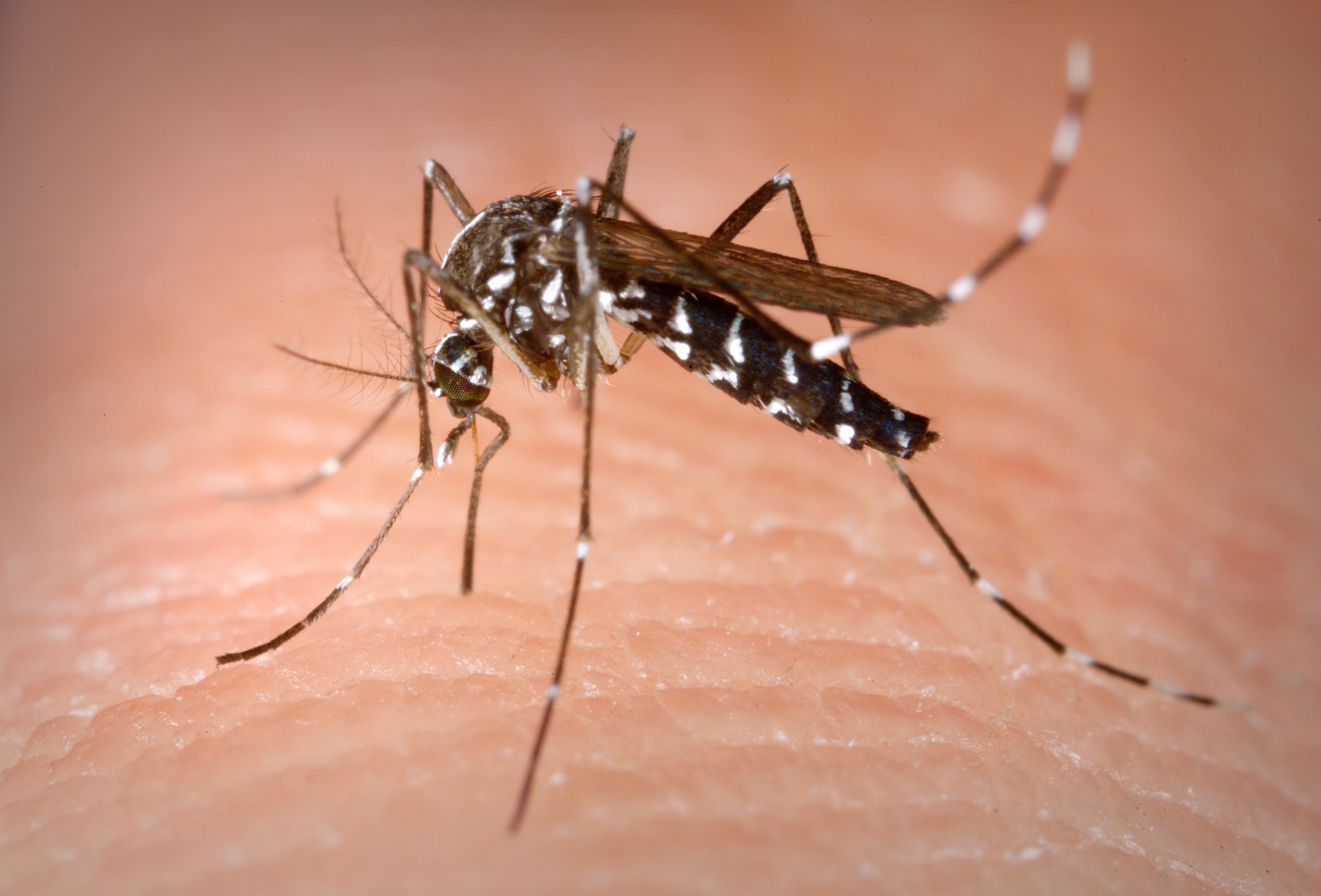
Europe is gradually losing its natural protection against diseases once confined to tropical regions. A new scientific study warns that the chikungunya virus, transmitted by the Asian tiger mosquito, can now circulate locally across large parts of the continent, particularly in the south. Spain is considered one of the most exposed countries.
Spain Press Editorial Team
The research, published in the Journal of the Royal Society Interface, shows that the virus can be transmitted at significantly lower temperatures than previously believed. While earlier estimates suggested it required between sixteen and eighteen degrees Celsius to develop inside the mosquito, scientists now conclude that transmission may occur from around thirteen to fourteen degrees.
This seemingly small difference fundamentally changes Europe’s epidemiological map.
From imported cases to local transmission
Until recently, infections detected in Europe were typically linked to travellers returning from tropical areas. However, current climatic conditions increasingly allow the virus to complete its full cycle within European territory, opening the door to local outbreaks.
The process is straightforward: a mosquito bites an infected person, the virus multiplies inside the insect, and it is then passed on to another human host. For this to happen, the incubation period must be shorter than the mosquito’s lifespan — a condition now met more often as temperatures remain mild for longer periods.
Researchers estimate that transmission could be viable for more than half the year in Mediterranean countries such as Spain, Portugal, Italy and Greece, and for several months annually across parts of central Europe.
The role of the tiger mosquito
The vector of the disease, Aedes albopictus, has been spreading across Europe for years. In many Mediterranean coastal areas it is already permanently established and remains active during mild winters.
Rising temperatures in Europe — occurring faster than in many other parts of the world — are gradually removing the climatic barrier that historically prevented sustained transmission of tropical diseases.
In recent years, sizeable outbreaks involving hundreds of cases have already been recorded in both France and Italy.
An intensely painful illness
Chikungunya causes sudden high fever and severe joint pain that can significantly limit mobility. Although mortality is low, a notable proportion of patients experience chronic symptoms lasting years.
First identified in Tanzania in nineteen fifty-two, the virus infects millions of people annually in tropical and subtropical regions. Its potential establishment in Europe would represent a significant shift in the continent’s public health landscape.
A climate-driven phenomenon
Scientists warn that outbreaks in Europe are likely to become more frequent and larger as warming continues. The permanent presence of the mosquito and longer warm seasons create favourable conditions for sustained local transmission.
For Mediterranean countries such as Spain, diseases once regarded as exotic may increasingly become a seasonal reality during the warmer months.