The Catalan city of Lleida has banned the wearing of clothing that completely covers the face in public spaces. The new regulation includes the burqa and niqab. Violators can be fined between 400 and 750 euros.
Spain Expat Press Editorial Team
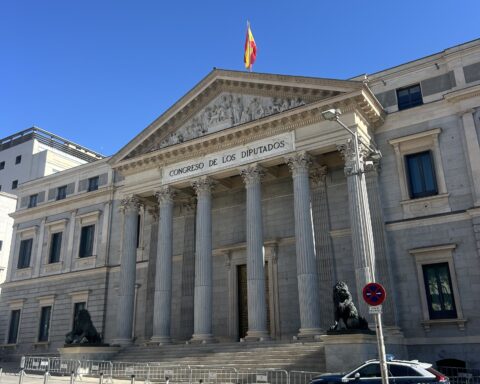
The city council passed the new “Ordenanza de Civismo y Convivencia” (Civic and Social Cohesion Ordinance) this Friday by a vote of 16 to 11. The socialist city government, a coalition of PSC-Units, Junts, and Vox, voted in favor of the ordinance, while the PP, ERC, and Comú de Lleida voted against it. The city’s mayor is the socialist Fèlix Larrosa.
The prohibition is formulated more generally
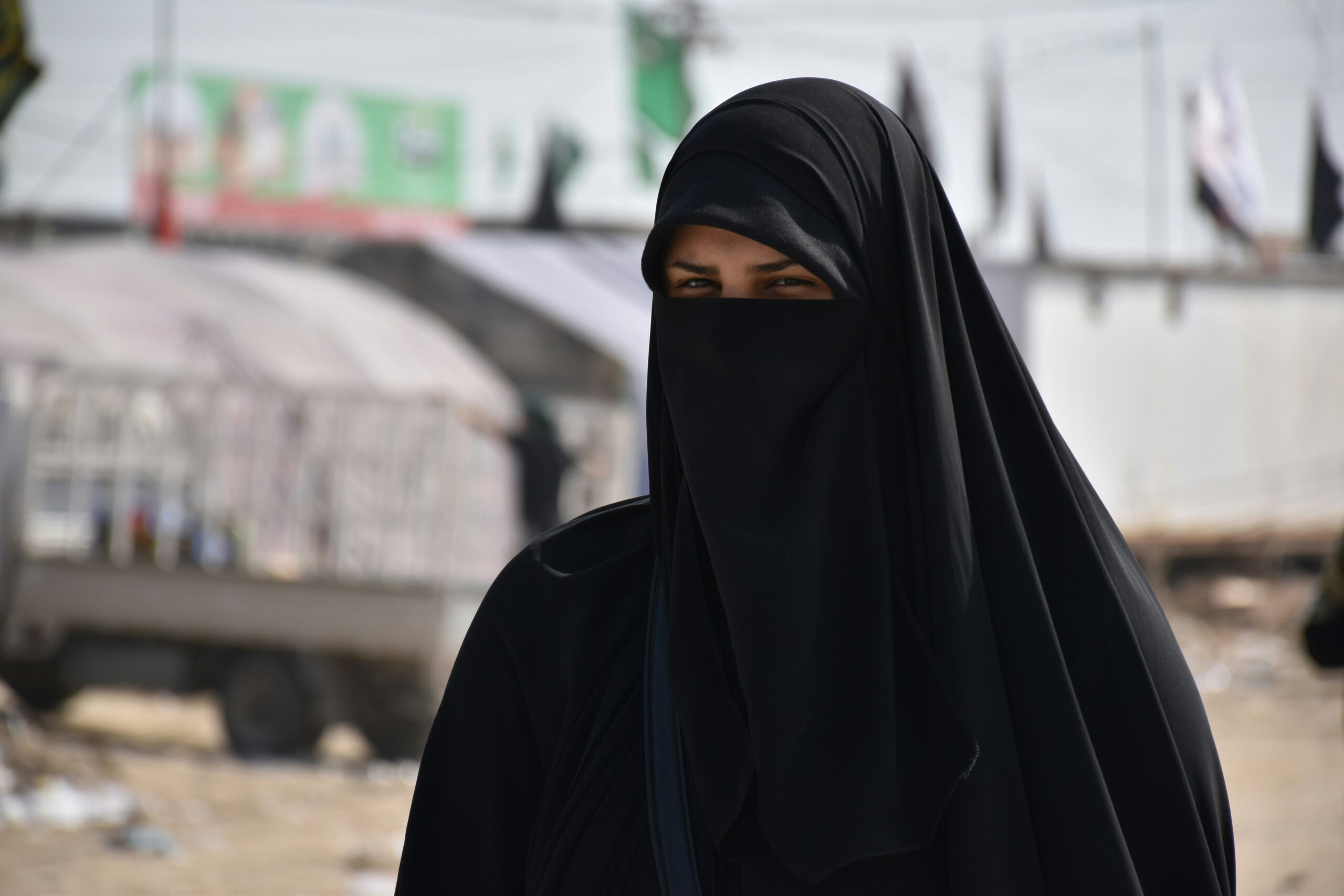
The new regulation does not explicitly mention the burka and niqab. Instead, it is generally directed against wearing clothing or other items that completely cover the face.
The regulation is not intended to apply exclusively to religious clothing. At the same time, the burka and niqab fall under the new regulation, as these forms of clothing completely or largely cover the face.
Exceptions are also provided. For example, the regulation does not apply in places of worship or in certain situations where face coverings are customary due to social conventions. Covering the face in connection with the exercise of a fundamental right will also be taken into account.
City points to women’s rights
The city administration justifies the regulation primarily on the grounds of community cohesion, civil rights, and gender equality. According to the responsible city councilor, Carme Valls, the aim is to prevent women from being excluded from social life through dress codes.
The new regulation will be accompanied by a socio-educational action plan. This plan will address topics such as equality, fundamental rights, cultural diversity, and women’s freedom of choice.
Lleida already had a burqa ban in 2010
This decision is not the first time Lleida has attempted to restrict the wearing of full face coverings. The city had already passed a similar regulation in 2010.
However, this was challenged in court. The Spanish Supreme Court overturned the ban in 2013. According to the court, a municipality could not restrict a fundamental right – in particular, freedom of religion – solely through a municipal ordinance. A corresponding legal basis was required.
The legal background therefore plays an important role in the new regulation as well. This time, the city has formulated the ban more generally and explicitly included exceptions as well as the applicable legal framework. Whether the new ordinance will withstand a potential judicial review is currently still open.
Unusual majority in the city council
The vote was made possible by an unusual political constellation. The socialist city government of Félix Larrosa does not have a majority of its own and therefore needed support from other factions.
Junts had already signaled its approval beforehand. Vox also supported the measure. Together with the votes of the PSC units, this resulted in a majority of 16 votes. PP, ERC, and Comú de Lleida voted against it.
The new regulation covers significantly more than just face veils
The ban on burkas and niqabs is only one part of the new civic and social coexistence ordinance. It contains numerous other rules for behavior in public spaces.
Depending on the severity of the offense, fines of €400 to €3,000 are stipulated. The covered behaviors include, among others, public urination or defecation, disturbing the peace at night, and so-called “botellón,” i.e., consuming alcohol in public places. Soliciting or requesting sexual services in public spaces is also regulated.
The fine for completely covering the face ranges from 400 to 750 euros.
Dispute also over social problems
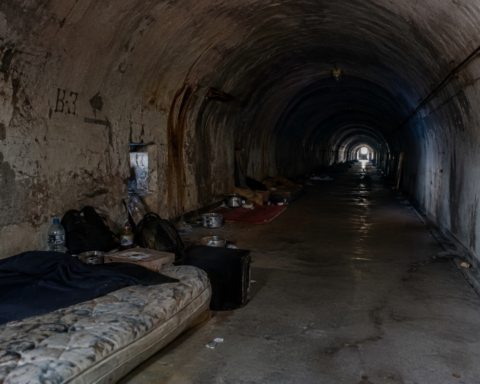
The new regulation is facing criticism not only because of the rules concerning the burqa and niqab. The ERC and the Comú de Lleida criticize, among other things, its generally stronger punitive approach. According to their position, problems such as homelessness, poverty, and social exclusion should not be addressed primarily with fines. Instead, social measures are needed to tackle the root causes of these situations.
Junts, on the other hand, supported the regulation and linked his approval to the demand for a network of public toilets and showers, which should particularly benefit people in difficult social situations.
Now the next legal phase begins
The vote does not yet fully conclude the process. Following the initial approval, there will be a period during which objections and amendments are possible. Junts pointed out before the vote that there is a 30-day period for any objections.
This leaves open the question, in particular, of whether the new regulation will legally stand up in light of the Supreme Court’s 2013 ruling.
Nevertheless, Lleida’s new regulation sends a clear signal: completely concealing one’s face in public spaces will no longer be permitted. How the regulation will be implemented in practice and whether it will withstand potential legal scrutiny should become clear in the coming months.