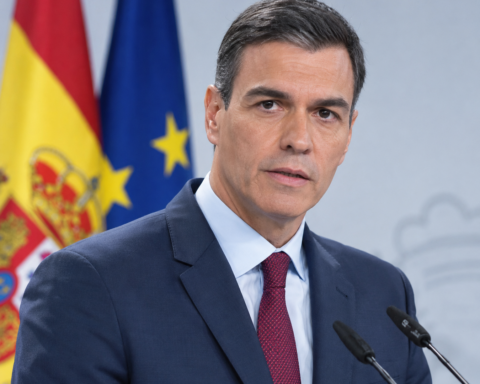
The Spanish government has reached a new financial milestone: the planned spending framework for the 2027 state budget has reached a historic record level of €226.032 billion. The so-called “techo de gasto” – the maximum limit for public spending – will therefore increase by 6.6 per cent compared with the previous year.
Spain Expat Press Editorial Team
by Marlon Gallego Bosbach
This decision marks the beginning of preparations for Spain’s next state budget. The spending framework is considered one of the most important steps in the budget process, as it determines how much funding the government will have available for public measures and investments.
Highest spending framework in Spain’s history
The amount now approved represents the largest spending framework in Spain’s history to date. The government views it as an important step towards implementing key policy priorities while also responding to the country’s economic and social challenges.
According to the government, the additional financial resources will primarily benefit areas that have a direct impact on citizens’ lives. These include housing, healthcare, education, social services and measures aimed at supporting young people.
The tense situation in Spain’s housing market plays a particularly important role in this regard. In many cities and popular regions, rental and property prices have risen significantly in recent years. The government aims to use additional investment to improve access to affordable housing.
More investment in social sectors
Alongside the housing sector, healthcare and education are also at the centre of the planned spending. Public services are set to be strengthened, while programmes supporting families, young people and particularly vulnerable groups are expected to be expanded.
Care services and social support programmes are also among the areas that could benefit from the additional funding. The government emphasises that economic growth and social security should go hand in hand.
According to government officials, the new spending framework is intended to create the financial room needed to advance long-term projects and further strengthen Spain’s competitiveness.
Government aims to reduce deficit despite higher spending
Despite the rising expenditure, the Spanish government emphasises that it remains committed to maintaining financial stability. Under current plans, the budget deficit is expected to fall to 1.8 per cent of gross domestic product by 2027.
Spain is therefore pursuing two objectives at the same time: on the one hand, public investment is set to be expanded, while on the other hand, the development of public finances is to remain under control.
The government argues that higher investment can have positive long-term effects on the economy. Improved infrastructure, stronger public services and targeted support programmes are intended to boost growth and employment.
Regions receive greater financial resources
An important part of the budget plan also concerns Spain’s autonomous communities. Many key areas, such as healthcare, education and social services, are administered by the regional governments in Spain.
Stronger financial support for Spain’s regions could therefore have a direct impact on millions of people. The government aims, among other things, to reduce regional inequalities and improve the quality of public services.
Regions experiencing strong population growth or facing major challenges in housing and infrastructure could particularly benefit from the additional funding.
Securing political majorities remains a challenge
However, the record spending framework does not automatically mean that the entire state budget has been approved. The government still has to overcome further political hurdles in the coming months.
Approval of the final budget could prove difficult, as the Spanish government relies on shifting majorities in parliament. Negotiations with various political parties will therefore play a decisive role.
While the government presents the new financial framework as a sign of economic strength and political capacity to act, critics view the rising public expenditure with scepticism. They warn of potential long-term pressures resulting from higher levels of public debt.
Spain faces key budget decisions ahead
With the new record spending framework, Spain is entering a crucial phase for its fiscal policy. The government is focusing on investment, social programmes and economic development while aiming to maintain the stability of public finances at the same time.
The planned framework of more than €226 billion highlights the scale of the government’s policy ambitions for the coming years. Whether the additional funds can actually be used as planned will now depend largely on the upcoming budget negotiations.
Spain is therefore facing an important decision: How can the country continue investing, address social challenges and at the same time ensure long-term financial sustainability? The answer to this question will have a major impact on Spain’s economic direction in the years ahead.