King Felipe VI and Queen Letizia are expected to attend Tuesday’s memorial service in Toledo, but Prime Minister Pedro Sánchez will not be there. The government cites the religious nature of the ceremony, while opposition politicians accuse him of avoiding a potentially hostile reception. The controversy has revived memories of the angry protests that forced Sánchez to leave flood-stricken Paiporta in 2024.
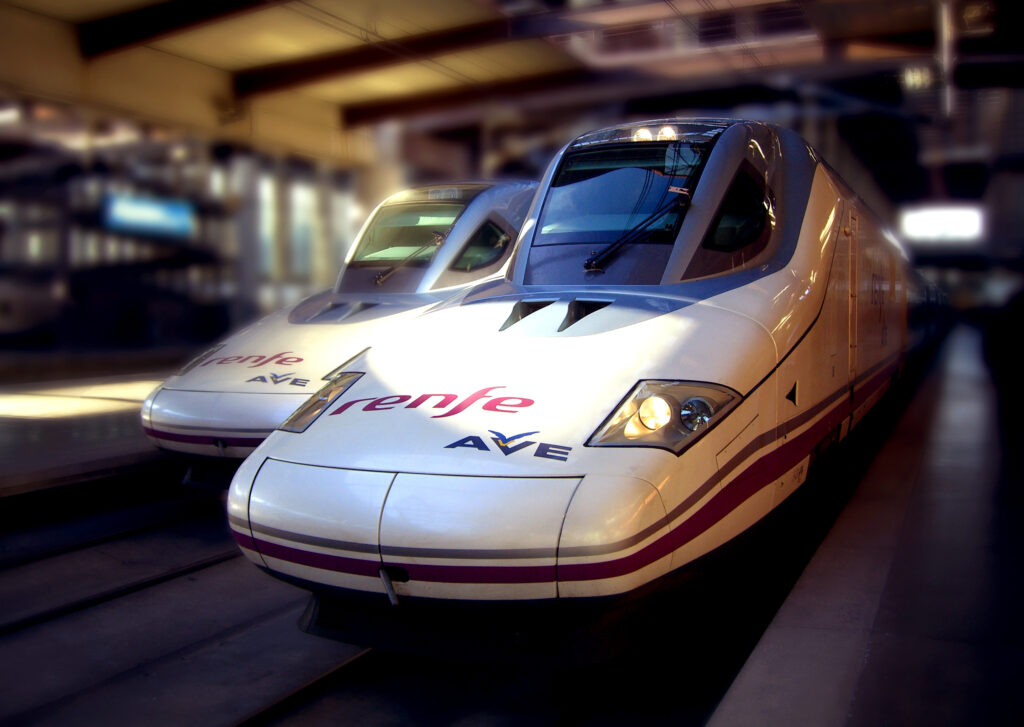
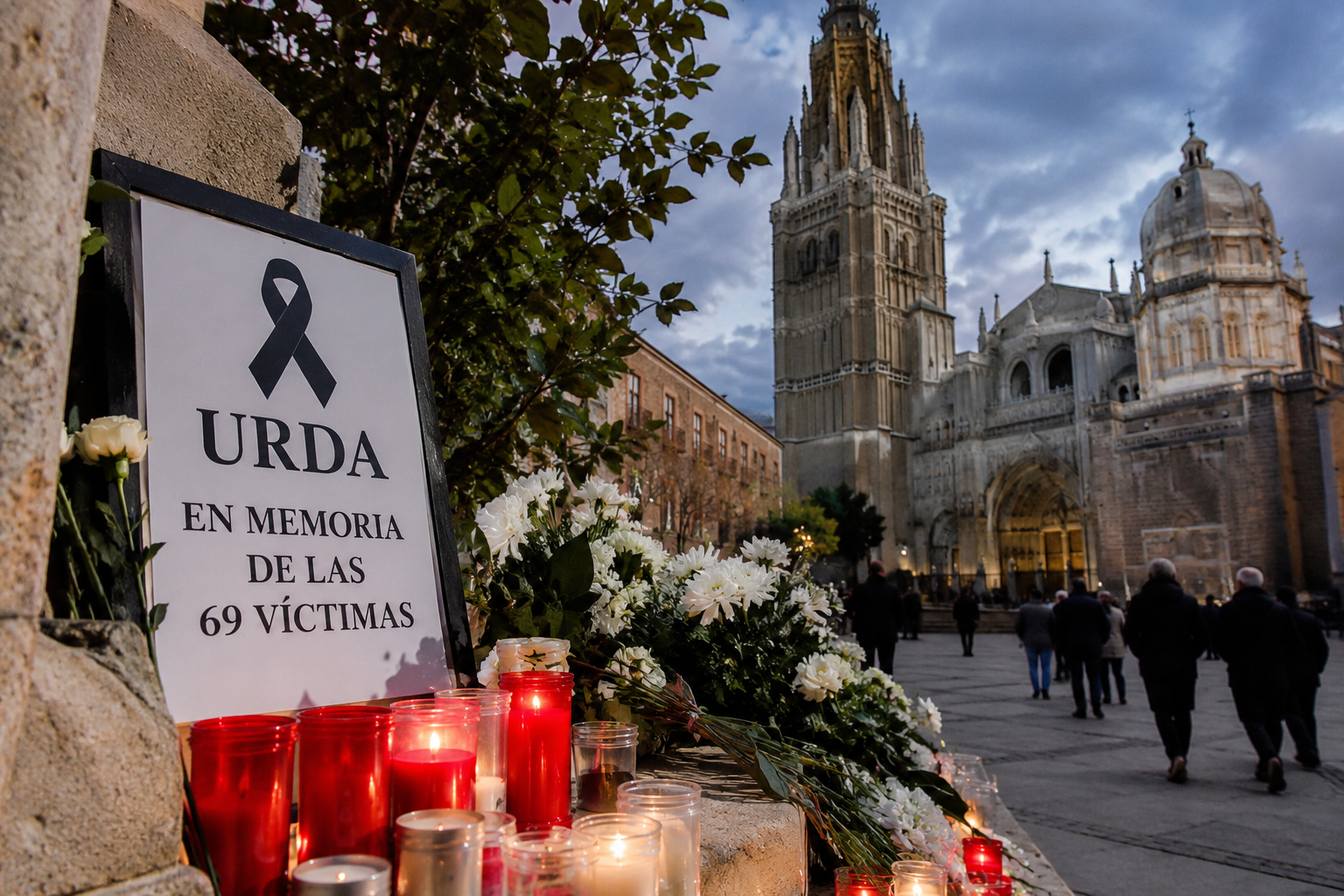
Spain is preparing to pay its respects to the 69 people who lost their lives in the devastating rail disaster near Urda, in the province of Toledo.
A solemn funeral Mass is scheduled to take place at Toledo Cathedral on Tuesday, 10 November, at 7pm, bringing together bereaved families, representatives of the Spanish monarchy and senior political figures.
For relatives of the victims, the ceremony will provide an opportunity to remember their loved ones and mourn a tragedy that has shaken the country.
Yet even before the service begins, the occasion has become the centre of a political controversy.
Prime Minister Pedro Sánchez will not attend.
While King Felipe VI and Queen Letizia are expected to be present, alongside opposition leader Alberto Núñez Feijóo and Castilla-La Mancha’s Socialist regional president Emiliano García-Page, the head of the Spanish government will be represented by members of his cabinet.
His decision has prompted criticism from the conservative opposition, which questions whether the official explanation tells the whole story.
Why is Pedro Sánchez not attending?
According to the government’s explanation, Sánchez does not generally attend religious funeral services in his capacity as prime minister, preferring to delegate representation to senior ministers.
Spain is a constitutionally non-confessional state, and the government maintains that its approach reflects an established distinction between official state commemorations and religious ceremonies.
The government is expected to be represented in Toledo by First Deputy Prime Minister Carlos Cuerpo and Education Minister Milagros Tolón, among other senior officials.
However, critics have challenged the consistency of this explanation.
Sánchez has attended religious ceremonies on previous occasions, prompting opposition politicians to question why he has chosen not to attend this particular service.
The government, for its part, argues that sending senior representatives demonstrates its respect for the victims and their families.
Opposition accuses Sánchez of fearing public anger
The People’s Party (PP) has been particularly outspoken.
Its parliamentary spokesperson, Ester Muñoz, has questioned the religious justification for Sánchez’s absence, suggesting that the prime minister may instead be concerned about facing public criticism.
The opposition argues that a national tragedy of this magnitude calls for the personal presence of the country’s head of government, regardless of whether the ceremony takes place in a cathedral.
Andalusia’s regional president, Juanma Moreno, has also criticised the decision, arguing that attending such events is part of the institutional responsibility of a prime minister.
For the PP, the issue goes beyond religious protocol. It concerns political accountability and the government’s relationship with a public still seeking answers about the disaster.
Nevertheless, the suggestion that Sánchez is staying away because he fears being booed remains an allegation made by his political opponents. There is no established evidence that this is his actual reason for not attending.
Memories of Valencia: When public anger forced Sánchez to leave
The controversy has inevitably revived memories of one of the most dramatic episodes of Sánchez’s premiership.
On 3 November 2024, just days after catastrophic flooding devastated parts of the Valencia region, King Felipe VI, Queen Letizia, Pedro Sánchez and the then Valencian regional president, Carlos Mazón, visited Paiporta, one of the worst-affected towns.
The visit quickly descended into chaos.
Angry residents confronted the delegation, shouting accusations about the authorities’ handling of the disaster. Mud and other objects were thrown, and security personnel struggled to contain the situation.
Sánchez was evacuated for security reasons.
The King and Queen, however, remained at the scene for some time, speaking to distressed residents despite the hostile atmosphere.
Images of the confrontation were broadcast around the world and became a powerful symbol of the frustration felt by communities devastated by the floods.
The episode remains politically sensitive.
Opposition politicians have now drawn parallels between Paiporta and Tuesday’s funeral in Toledo, suggesting that Sánchez may wish to avoid another potentially uncomfortable public appearance.
Whether any protests will actually take place at the funeral remains unknown.
Not the first religious memorial Sánchez has missed
Tuesday’s absence would not be unprecedented.
Sánchez has previously delegated government representation at religious memorial services following major national tragedies.
Following the Adamuz rail disaster in Córdoba earlier in 2026, the prime minister did not personally attend the religious service commemorating the victims.
Senior government ministers attended in his place.
A similar approach was taken following the deadly Valencia floods, when the central government was represented at a church memorial by members of the cabinet.
Sánchez has, however, participated in secular state commemorations for victims of national disasters.
The government presents this distinction as part of its established institutional practice.
Critics argue that, regardless of the religious setting, the presence of a prime minister at a funeral following a national catastrophe should be understood primarily as a gesture of solidarity.
The disagreement reflects a wider debate in Spain about the relationship between political office, religious traditions and public expectations of national leadership.
A different approach from other political leaders
Among those expected to attend Tuesday’s service is Emiliano García-Page, the Socialist president of Castilla-La Mancha, the region where the accident occurred.
Although García-Page belongs to the same party as Sánchez, he has frequently adopted independent positions on national political issues.
The King and Queen are also expected to attend, having already expressed their condolences and visited people affected by the disaster.
Meanwhile, Vox leader Santiago Abascal has said he will not attend the ceremony, arguing that bereaved families may prefer to mourn without politicians present.
The contrasting decisions illustrate the different ways political leaders are approaching the occasion.
For some, attendance represents an essential public duty. For others, respecting the wishes and privacy of grieving families must take precedence.
A politically sensitive moment ahead of the election
The timing adds another dimension to the controversy.
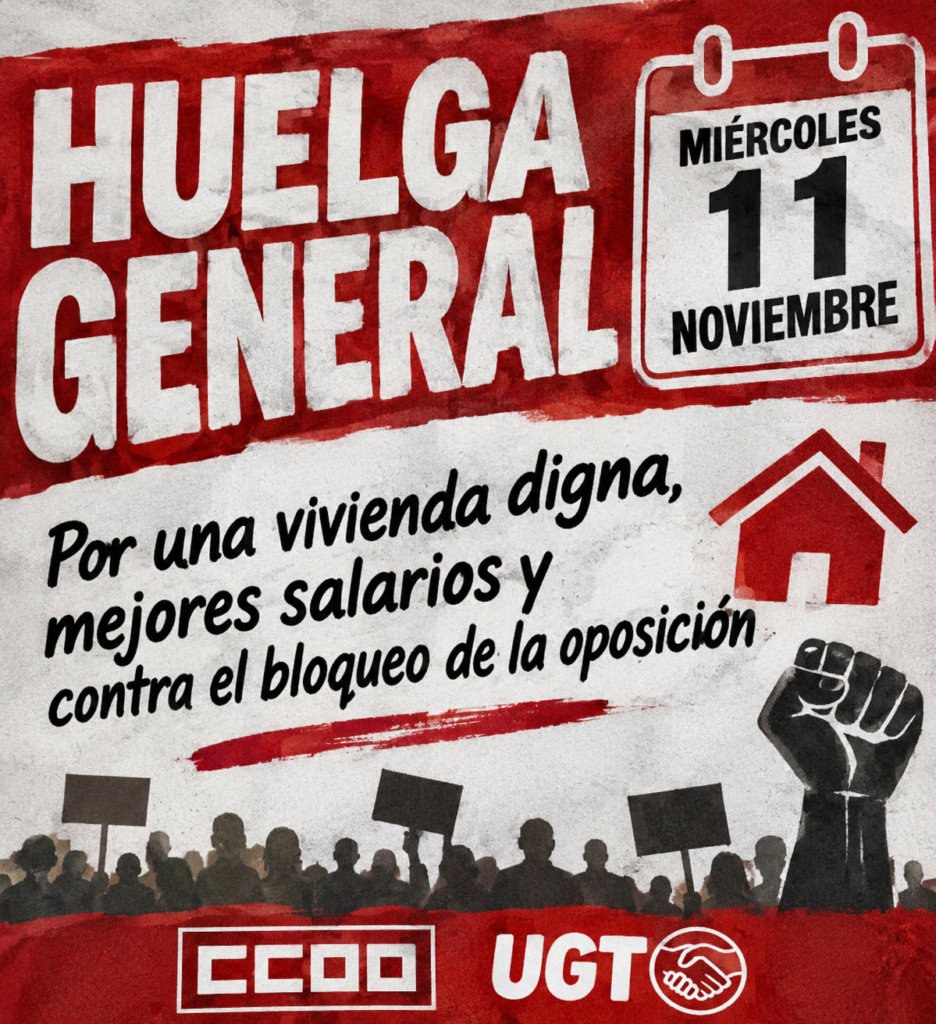
Spain is due to hold a general election on 29 November, with the official campaign beginning on 13 November, just three days after the funeral.
The ceremony therefore comes at an especially sensitive moment for the country’s political parties.
Reports of disagreements over the scheduling of the service have added to the debate.
The Archdiocese of Toledo has rejected suggestions that the date was chosen for political reasons, maintaining that the arrangements were made with consideration for the bereaved families and the availability of the Royal Household.
The service will be led by the Archbishop of Toledo, Francisco Cerro Chaves, and attended by other senior representatives of the Catholic Church.
It is a religious funeral organised by the Church, rather than an official state funeral.
That distinction lies at the heart of the government’s explanation for the prime minister’s absence.
A nation in mourning, a government under scrutiny
Beyond the political arguments, Tuesday’s ceremony is first and foremost about the 69 people who died and the families whose lives have been changed forever.
The disaster has left Spain grieving and raised serious questions about railway safety, public responsibility and the circumstances surrounding the collision.
For the families, the priority is remembrance, dignity and answers.
Yet Sánchez’s decision not to attend has reopened a debate about the obligations of political leadership at moments of national tragedy.
Should a prime minister personally attend a religious funeral when the entire country is mourning? Or is representation by senior cabinet ministers an appropriate expression of institutional solidarity?
The government points to established practice. The opposition questions both the decision and its underlying motivation.
And the memory of the confrontation in Paiporta has given the argument an added political edge.
On Tuesday evening, the bells of Toledo Cathedral will ring in remembrance of 69 lives lost. As Spain comes together to mourn, the absence of its prime minister will remain one of the most widely discussed aspects of the occasion.