
In Santiago de Compostela, a restoration project is currently causing ridicule, anger and heated debate. At one of Spain’s most important landmarks – right next to the world-famous Cathedral of Santiago – historic gargoyles have been fitted with conspicuous copper pipes. To many visitors, it appears as though the pipes are emerging directly from the figures’ backsides. On social media, users are already referring to it as the “sodomised restoration”.
Spain Expat Press Editorial Team
by Marlon Gallego Bosbach
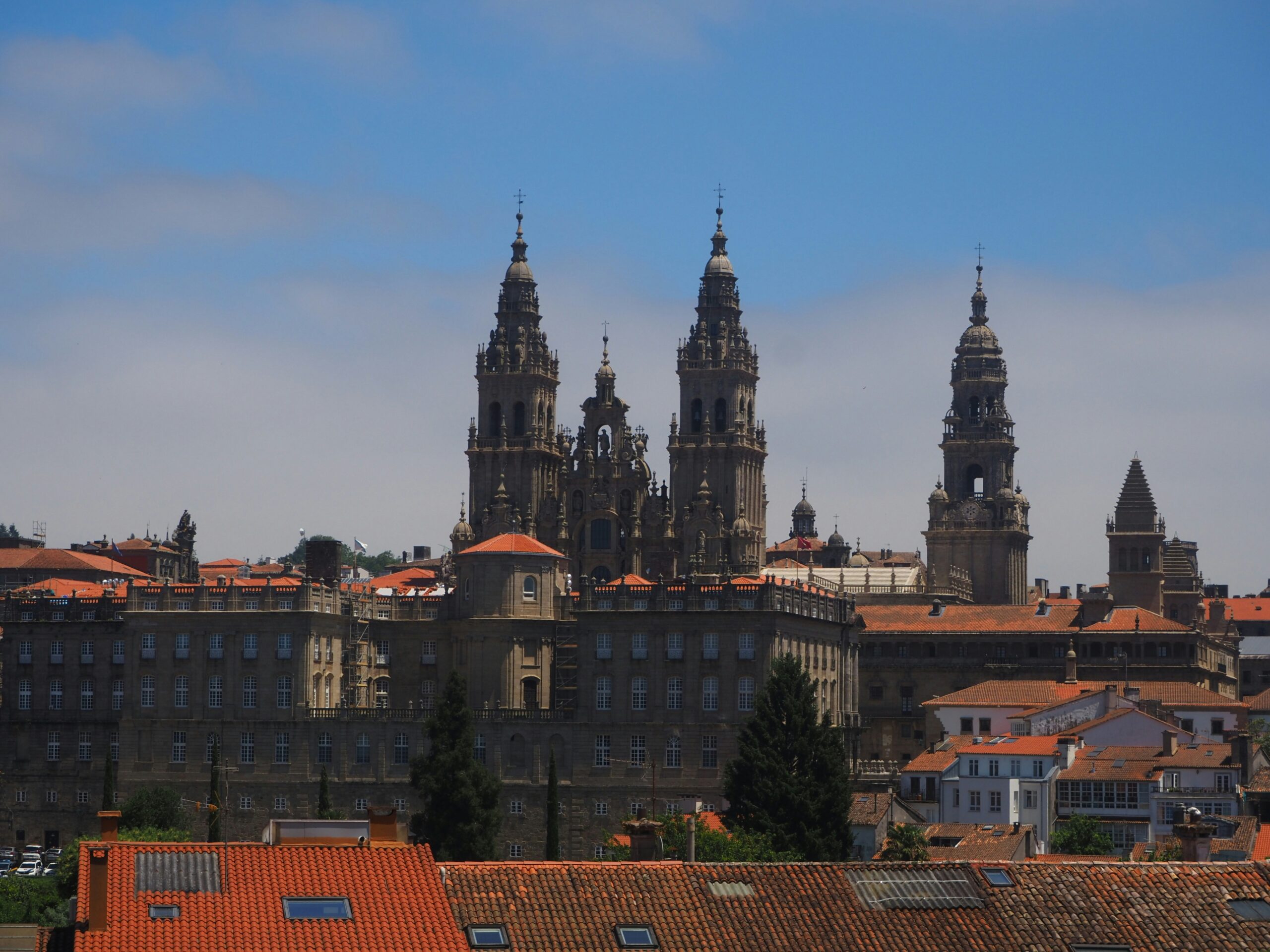
The historic building affected is the Hostal dos Reis Católicos, a former pilgrim hospital dating back to the early 16th century. Today, the monumental structure houses one of Spain’s most famous Parador hotels and is located directly on the Praza do Obradoiro, next to the renowned Cathedral of Santiago de Compostela. The entire historic centre has been a UNESCO World Heritage Site since 1985.
Copper Pipes Through Historic Figures
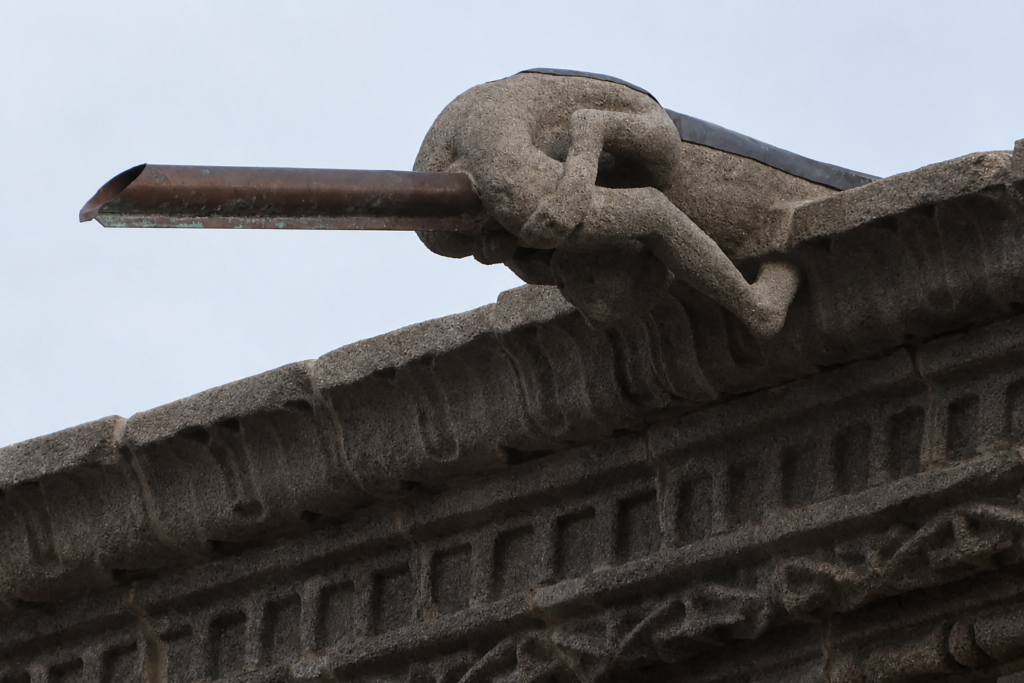
As part of a multi-million-euro renovation, restorers installed long copper pipes into the Renaissance gargoyles. The pipes are intended to channel rainwater away in a controlled manner, preventing moisture damage to the Baroque balconies below. However, the visual impact has sparked a storm of outrage.
Many of the stone figures now appear to have been “pierced” by metal rods. A particularly controversial case involves a nude human figure, where the pipe appears to emerge directly from the backside. Many Spaniards have described the result as an “aesthetic catastrophe” and have accused those responsible of showing a lack of respect for the historical heritage.
Experts Describe the Situation as a “Disaster”
There has also been strong criticism from conservationists and art historians. Carlos Henrique Fernández Coto of the Galician heritage protection association Apatrigal reportedly described the measure as “visually aggressive” and as an intervention that does not fit the historic architecture of the square.
A particularly outspoken view was expressed by Spanish gargoyle expert Dolores Herrero, founder of the platform “Gargopedia”. In her view, gargoyles are “not just gutters”, but independent works of art with cultural and symbolic significance. She reportedly described the current solution as a “disaster”.
Of All Things, the Famous Gargoyles
The affected gargoyles date back to the Renaissance period and are among the best-known in Spain. They depict grotesque animals, demons, hybrid creatures and nude human figures – typical of medieval and early modern visual language, which often aimed to provoke or convey moral messages.
Santiago de Compostela holds a particularly significant symbolic status worldwide. The city is the final destination of the Camino de Santiago and attracts hundreds of thousands of pilgrims each year. Its monumental old town, with its Romanesque, Gothic and Baroque architecture, is regarded by UNESCO as one of the finest historic ensembles in Europe.
From Monument to Tourist Attraction
Ironically, the controversial pipes have brought the gargoyles renewed fame. Whereas the figures were previously largely overlooked by many visitors, tourists are now standing in the square with smartphones, photographing the “pierced” gargoyles from every angle. On social media, countless memes and close-up images of the figures are already circulating.
Authorities Are Seeking a Solution
The authorities responsible have so far defended the measure, stating that the pipes can be removed at any time and that no permanent damage has been caused to the historic fabric. In light of significant public criticism, the relevant authorities are now reportedly considering alternative solutions.
The case once again highlights how sensitively restoration work on historic monuments in Spain is received – especially when it involves a landmark of international significance. For many Spaniards, it is clear that the controversial copper pipes have inadvertently turned a centuries-old work of art into a modern internet phenomenon.