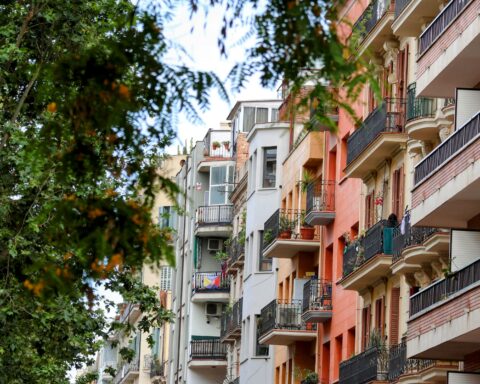
Spain’s cheapest property hotspots: where homes still cost less than €400 per square metre
While property prices across much of Spain continue to climb to record levels, there are still parts of the country where buying a home remains surprisingly affordable. In several inland municipalities, average asking prices are still well below those seen in coastal resorts and major cities — in some cases, even under €400 per square metre.
Spain’s property market in 2026 is increasingly divided. In Madrid, Barcelona, the Costa del Sol, Mallorca and Ibiza, demand remains strong and prices have risen sharply in recent years. Yet away from Spain’s most sought-after locations, a very different picture emerges. In smaller inland towns, homes can still be found at prices that would be almost unthinkable in the country’s booming tourist and expat destinations.
For buyers willing to look beyond the coast, these areas may offer some of the last genuinely affordable opportunities in the Spanish housing market.
Inland Spain remains dramatically cheaper than the coast
The most affordable locations are generally found in rural or semi-rural areas, particularly in regions affected by population decline, ageing demographics and lower demand. These municipalities have not experienced the same property boom as Spain’s coastal hotspots, where international buyers, tourism, digital nomads and limited supply have pushed prices ever higher.
One of the most striking examples is Fuente Obejuna, in the province of Córdoba, Andalusia. The municipality currently has an average asking price of around €369 per square metre, making it one of the cheapest places in Spain to buy property.
This figure stands in sharp contrast to prices in cities such as Málaga, Madrid or Barcelona, and even more so compared with prime locations on the Costa del Sol or the Balearic Islands, where buyers often pay several thousand euros per square metre.
Andalusia among Spain’s cheapest property locations
Although Andalusia is home to some of Spain’s most expensive coastal property markets, particularly around Marbella, Málaga and the Costa del Sol, the region also contains some of the country’s most affordable municipalities.
Fuente Obejuna is a clear example of this contrast. Located inland, far from the region’s tourist-driven coastal economy, it offers property at a fraction of the prices found in southern Spain’s best-known destinations.
For buyers with a limited budget, this shows that Andalusia cannot be judged as a single market. Prices vary enormously depending on location, infrastructure, proximity to the coast and local demand.
Other low-cost municipalities across Spain
Spain’s cheapest property opportunities are not limited to Andalusia. Several other municipalities across the country also offer homes at notably low average prices.
In Pedro Muñoz, in Castilla-La Mancha, the average price is around €377 per square metre. In Bembibre, in Castile and León, prices stand at approximately €441 per square metre, while Vilamarín, in Galicia, offers property at around €450 per square metre.
Extremadura also remains one of Spain’s more affordable regions. In Arroyo de la Luz, average prices are around €471 per square metre. In the Region of Murcia, Abarán comes in at approximately €534 per square metre, while Utiel, in the Valencia region, remains relatively affordable at around €640 per square metre.
Even in regions generally associated with higher property prices, there are still more accessible options. In Chinchón, in the Madrid region, average asking prices are around €1,357 per square metre. On Gran Canaria, Santa María de Guía is considered one of the more affordable municipalities in the Canary Islands, with prices of around €1,450 per square metre.
These figures remain far above Spain’s cheapest inland towns, but they are still significantly lower than the most expensive areas in their respective regions.
Why are prices still so low?
The low prices in these municipalities are not accidental. They are usually the result of long-term demographic and economic trends.
Many of Spain’s cheapest towns have been affected by depopulation for years. Younger residents often leave for larger cities, coastal areas or regional capitals in search of work, education and better services. As a result, local demand for housing remains limited.
In many cases, there is also a large supply of older properties. Some homes may require significant renovation, energy upgrades or modernisation before they are suitable for year-round living. This can make the initial purchase price attractive, but buyers should be careful not to underestimate the full cost of bringing a property up to standard.
For foreign buyers, this is particularly important. A house that appears extremely cheap on paper may require substantial investment in roofing, plumbing, electricity, insulation or heating and cooling systems.
A growing opportunity for expats, retirees and remote workers
Despite these challenges, Spain’s lower-cost inland areas are becoming more interesting for a certain type of buyer. Expats, retirees and remote workers who do not need to live by the sea may find considerably better value for money in these municipalities.
For the same budget that might only secure a small apartment in a coastal city, buyers inland may be able to purchase a larger home, outdoor space or even land. For those looking for peace, authenticity and a slower pace of life, these areas can be highly attractive.
Remote working has also changed the equation. A growing number of buyers no longer need to live near a major office or business centre. This has made some inland towns more viable than they were a decade ago, particularly where internet access, transport connections and basic services are reliable.
However, location still matters. Before buying, potential homeowners should carefully assess healthcare access, public transport, schools, shops, internet coverage and the distance to larger towns or airports.
Spain’s property market is moving in two directions
The Spanish housing market is no longer following a single trend. Instead, it is increasingly split between high-demand areas and low-demand inland markets.
In coastal regions, major cities and tourist hotspots, prices continue to rise due to strong demand from both domestic and international buyers. In many of these areas, supply is limited and competition remains intense.
In contrast, many inland municipalities continue to offer affordable property because demand is weaker and the local population is declining. This creates opportunities, but also requires realistic expectations.
For buyers who dream of Spain but are priced out of the coast, the message is clear: affordability still exists, but it is found away from the obvious locations.
Those willing to compromise on proximity to the sea, invest in renovation and embrace a quieter lifestyle may still find homes in Spain at prices that have disappeared almost everywhere else.